
Key takeaways
- Personalized products give POD stores more room to compete on value instead of price.
- Choose products based on demand, total cost, margin, fulfillment quality, and buyer intent.
- Build around evergreen products, then add seasonal items to capture short-term demand peaks.
- Match the print method to the product material and the customer’s design.
- Use InkyBay for live previews, customer uploads, dynamic pricing, and print-ready files.
- Order samples and test the complete buying process before launching.
Personalization makes a print-on-demand product harder to compare and easier to value. Adding a simple name, photo, monogram, or message turns a generic item into something personal, giving your store a stronger reason to profit from those options.
That simple difference matters in a crowded POD market, which is projected to grow at a 23.6% CAGR from 2026 to 2033. Many stores still struggle to last because their products feel interchangeable.
This guide breaks down the best-selling personalized print-on-demand products, potential customers and margins, right print methods, and how to sell them through Shopify.
Why Is Personalization Driving Print on Demand Sales in 2026?
Personalization drives POD sales because it gives buyers a reason to choose your version of a generic product. A name, photo, date, or monogram adds personal meaning and makes direct price comparisons harder. Shoppers also feel a personal connection to the product they made themselves. This gives you more room to sell based on value instead of chasing the lowest price. Here are a few reasons POD sellers need to lean more on personalization:
Buyers value products they help create: When someone uploads a photo or chooses the words on a product, they take part in making it. Studies call this the “IKEA effect.” It shows people value products they helped create more. A personalized POD order requires less work than building furniture, but the same idea can apply: the buyer sees part of themselves in the finished product. For example, a mug with a random design is simply a mug. But add a child’s drawing, and it becomes something a parent may keep for years.
Personalization reduces direct price competition: Generic products are easy to compare. If several stores sell similar T-shirts, shoppers can sort them by price, shipping, and reviews. A custom product changes that decision. Shoppers can't compare a pillow with their family name against ten identical listings because the customized pillow doesn't exist until they personalize it. You still need fair pricing and good print quality, but you no longer depend on price alone to win the order.
Shoppers already expect more personal buying experiences: A 2024 Deloitte study found that 80% of surveyed consumers preferred brands that are offering personalized experiences. Those buyers also reported spending 50% more with such brands. That study covered the broader customer experience, so it doesn't mean every custom product will sell for 50% more. However, it does show that many shoppers respond well when a brand lets them make choices based on their identity, needs, or relationships.
10+ Best Selling Personalized Print-on-Demand Products
The best-selling print-on-demand products in 2026 combine everyday use with room for meaningful personalization. Apparel still holds the largest share of POD revenue, while current Etsy searches show rising interest in wall art, embroidered bags, journals, jewelry, phone cases, wedding products, and custom games. The categories below give you several practical ways to turn that demand into personalized products:
1. Apparel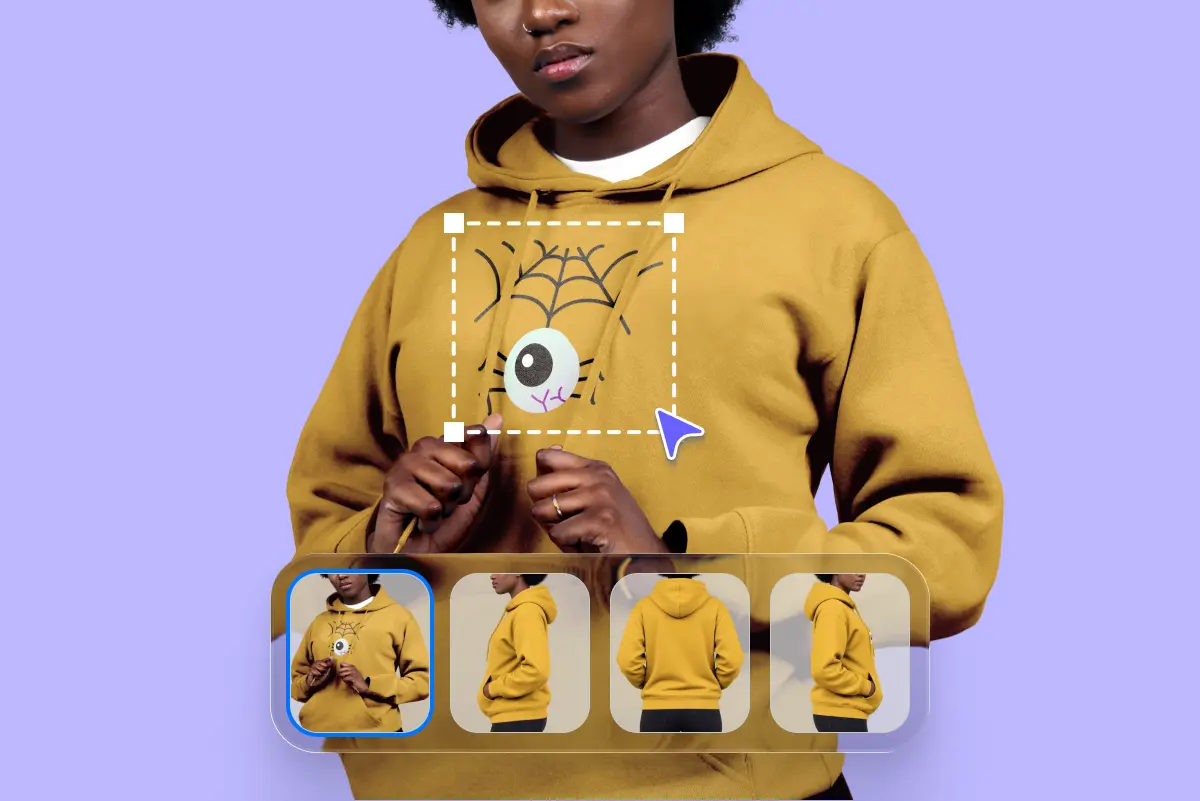
- Best for: Clothing brands, creator merchandise, team stores, and niche communities.
- Personalization possibilities: Names, photos, monograms, dates, sleeve text, team numbers, and customer-uploaded artwork.
- Estimated gross margin: Around 40–60%
Quick note: Keep garment colors and sizes manageable, since each option creates another SKU and potential return.
Apparel is a strong starting point for a print-on-demand store because customers buy clothing for daily use, gifts, events, and group activities. Apparel accounted for 39.5% of POD revenue in 2025, making it the largest product category in the market.
However, you need more than another graphic T-shirt to attract buyers. Personalization gives customers a reason to choose your product by letting them add a name, date, photo, team number, or personal message. This allows you to target birthdays, graduations, family trips, weddings, school events, sports teams, and company groups.
You can include:
- Graduation shirts with the student’s name and class year
- Family vacation T-shirts with individual names
- Matching couple hoodies with a date or coordinates
- Sports shirts with a surname and player number
- Children’s shirts featuring an uploaded drawing
- Embroidered hoodies with initials on the chest or sleeve
Start with one audience and build a small collection around it. For example, a graduation collection could include a T-shirt, sweatshirt, and hoodie. The customer chooses the garment and color, then enters the graduate’s name and year. This gives them useful options while keeping the buying process simple.
DTG suits photos and detailed artwork on cotton clothing. DTF works well for names, numbers, and colorful designs across more fabric types. Embroidery is a good choice for initials, short names, and small designs that need a premium finish.
Personalized T-shirts usually cost around $25–$36, while hoodies may sell for $40–$65. According to this 2026 POD cost example, T-shirt production is about $9.25 for a basic shirt and $14.25 for a premium organic option, before shipping and selling fees. Depending on the garment and print locations, this may leave a product-level gross margin of roughly 40–60%.
2. Personalized Drinkware
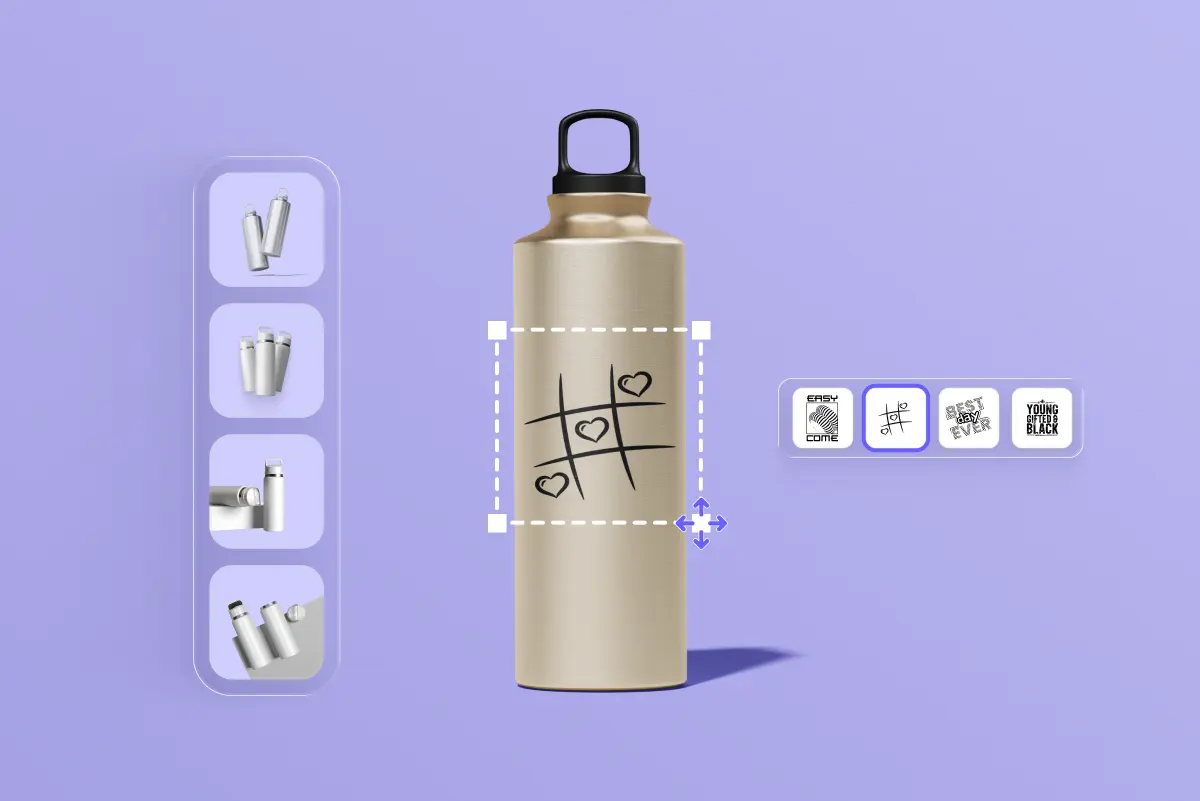
- Best for: Gift stores, office merchandise, fitness brands, and event-based shops.
- Personalization possibilities: Photos, names, logos, wraparound patterns, dates, and short messages.
- Estimated gross margin: Around 35–65%
- Quick note: State whether each item is dishwasher-safe and show the printable area before customers upload their design
Personalized drinkware is another strong POD category because mugs, tumblers, and water bottles fit into customers’ daily routines. They also work well for birthdays, weddings, teacher, employee, and holiday gifts. In the wider North American drinkware market, tumbler demand is projected to grow at a 7.8% CAGR from 2026 to 2033.
Personalization helps you connect these practical products with a specific person or occasion. Customers can add a name, photo, monogram, date, handwritten message, or company logo. You can also offer different colors, sizes, and lid styles to make the product more useful to each buyer.
You can include:
- Personalized drinkware ideas for your store
- Photo mugs for birthdays and family gifts
- Name tumblers for teachers, nurses, and office workers
- Matching mugs for couples
- Water bottles with names and sports numbers
- Employee tumblers with a name and company logo
- Children’s bottles featuring an uploaded drawing
Dye sublimation is suitable for full-color photos and wraparound designs on coated ceramic mugs. Digital or UV printing works well for colorful designs on stainless-steel tumblers. Laser engraving is a good option for names, monograms, and logos that need a clean, durable finish.
Personalized ceramic mugs usually cost around $14–$24, while tumblers and insulated bottles may sell for $25–$50. These are suggested ranges and should be checked against your market. Prodigi currently lists photo mugs from $4.92, 20-ounce tumblers from $16, and insulated water bottles from $10 before shipping and fees. Depending on the product, this may leave a product-level gross margin of roughly 35–65%.
3. Personalized Wall Art and Photo Prints
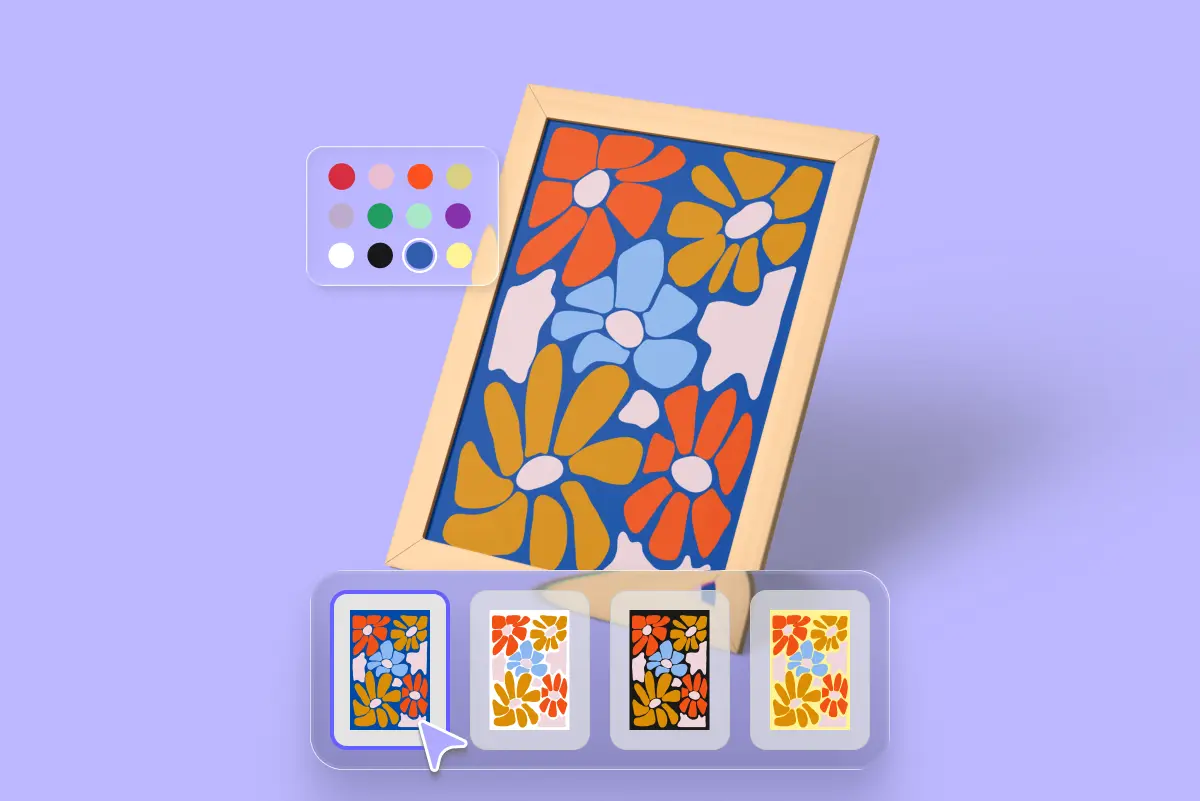
- Best for: Home décor stores, photographers, artists, and sellers of wedding or housewarming gifts.
- Personalization possibilities: Customer photos, family names, maps, dates, quotes, house portraits, and multi-photo collages.
- Estimated gross margin: Around 35–65%
- Quick note: Show each size in a realistic room preview. Large framed pieces may carry much higher shipping costs.
Wall art gives you more room to build around personal stories than most POD products. A single customer photo, location, date, or message can become a poster, canvas, or framed print in several sizes. Interest is also rising. Etsy reported that searches for wall art décor increased 110%, while gallery print searches rose 80% in its Spring and Summer 2026 trend report.
People often buy personalized wall art to remember a wedding, new home, birth, trip, or loved one. Others use it to decorate a bedroom, nursery, office, or family space. Giving customers control over the photo, wording, colors, size, and frame helps you serve both gift buyers and people decorating their own homes.
You can include products like:
- Family photo canvases with names and dates
- Custom house portraits for new homeowners
- Birth-detail prints for nurseries
- Wedding-vow or song-lyric posters
- Personalized city maps and travel prints
- Multi-photo collages for anniversaries and memorials
These ideas sell more easily when you organize them by occasion. A housewarming collection, for example, could offer a house portrait as an affordable poster, a stretched canvas, or a framed print. The customer uploads a photo, adds the address or family name, and chooses the size. This creates a simple upgrade path within one product idea.
Giclée printing suits posters, illustrations, and detailed photo prints. Latex or UVgel printing works well for canvas because it produces clear color on a textured surface. Before listing a product, provide accurate size previews so customers can understand how it will look on their wall.
Personalized posters generally cost around $15–$35. Canvas and framed prints may range from $35 to $100 or more, depending on size. Walmart Photo currently lists custom canvases from $16.96 to $98.96. These figures suggest a possible product-level gross margin of about 35–65%, although larger pieces can cost more to ship.
4. Personalized Home Textiles
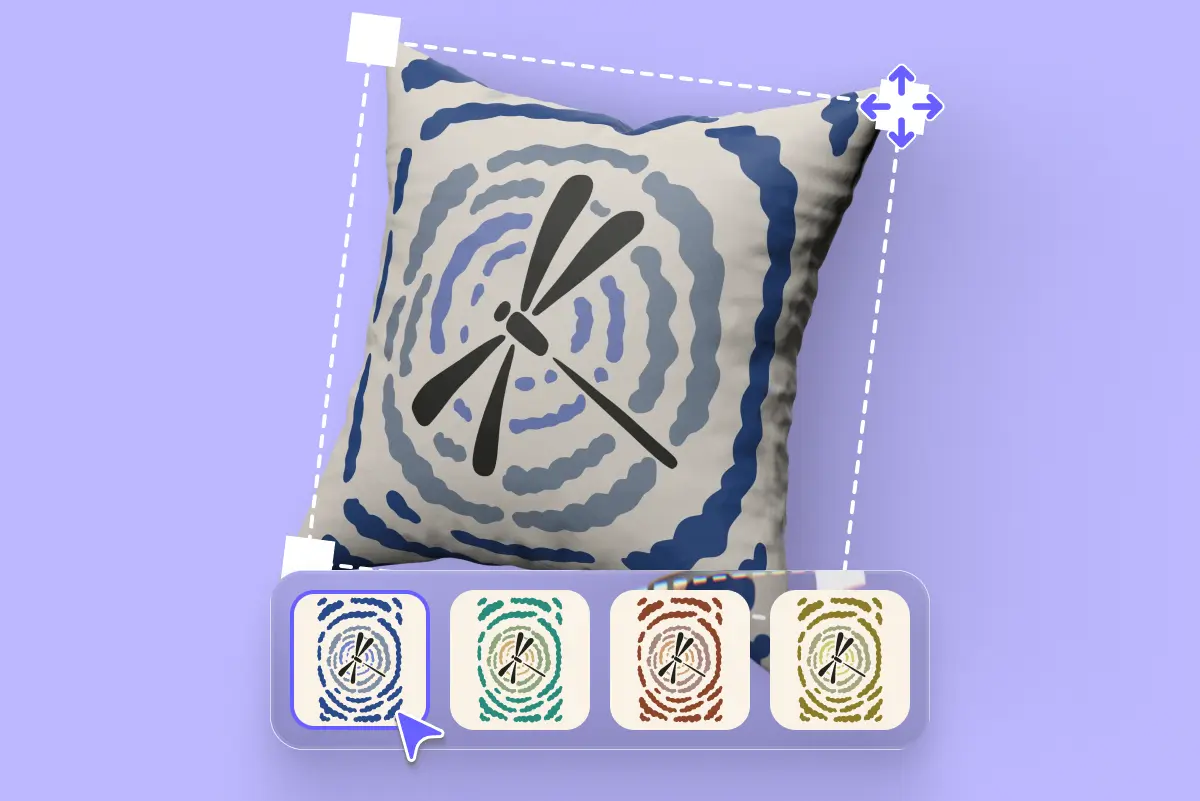
- Best for: Home décor brands, family gift stores, nursery shops, and seasonal collections.
- Personalization possibilities: Photos, names, birth details, family illustrations, patterns, and messages on pillows, blankets, and bedding.
- Estimated gross margin: Around 35–55%
- Quick note: Order samples because colors can look different on textured fabric than they do on a screen.
A personalized blanket or pillow can become part of someone’s home while still carrying a family photo, name, drawing, or memory. This mix of comfort and emotional value makes home textiles suitable for weddings, new babies, housewarmings, anniversaries, memorials, and holiday gifts. The broader home bedding market is projected to grow from $156.3 billion in 2026 to $277 billion by 2033, showing continued spending on products such as blankets and pillows.
You can personalize these products with full-photo designs, repeated names, monograms, handwritten messages, or custom patterns. Buyers may order them as gifts or use coordinated pillows, towels, and bedding to decorate their own homes.
Personalized home textile ideas you can consider:
- Family photo collage blankets
- Baby blankets with names and birth details
- Memorial pillows with a photo and message
- Couple pillowcases with matching designs
- Towels personalized for children or sports teams
- Housewarming cushions with a family name or address
One way to connect these products is to build a new-baby collection. You could offer a name blanket, a birth-detail pillow, and a matching nursery cushion. Customers enter the baby’s name and birth information, then choose the colors and product size. Each item works alone, while the matching designs make a bundle more appealing.
Dye sublimation is the main choice for polyester fleece, microfiber, and cushion covers because it supports detailed, edge-to-edge color. Embroidery works better for a small name or monogram when the fabric and fulfillment provider allows it. Your product page should also explain the material, dimensions, and washing instructions because softness and care can affect the buying decision.
Personalized pillows usually price around $25–$45, while blankets may sell for $35–$70 based on size and fabric. Walmart Photo currently lists custom blankets from $26.96 to $59.98. Prodigi lists printed cushions from $12.16 and premium fleece blankets from $20 before shipping and fees. A product-level gross margin of roughly 35–55% may be possible, though bulky blankets can carry higher delivery costs.
5. Personalized Bags and Carry Accessories
- Best for: Artist merchandise, lifestyle brands, school collections, and reusable-product stores.
- Personalization possibilities: Names, initials, photos, repeating patterns, logos, and custom artwork across one or both sides.
- Estimated gross margin: Around 30–55%
- Quick note: Check handle length, fabric weight, print coverage, and carrying capacity before choosing a supplier.
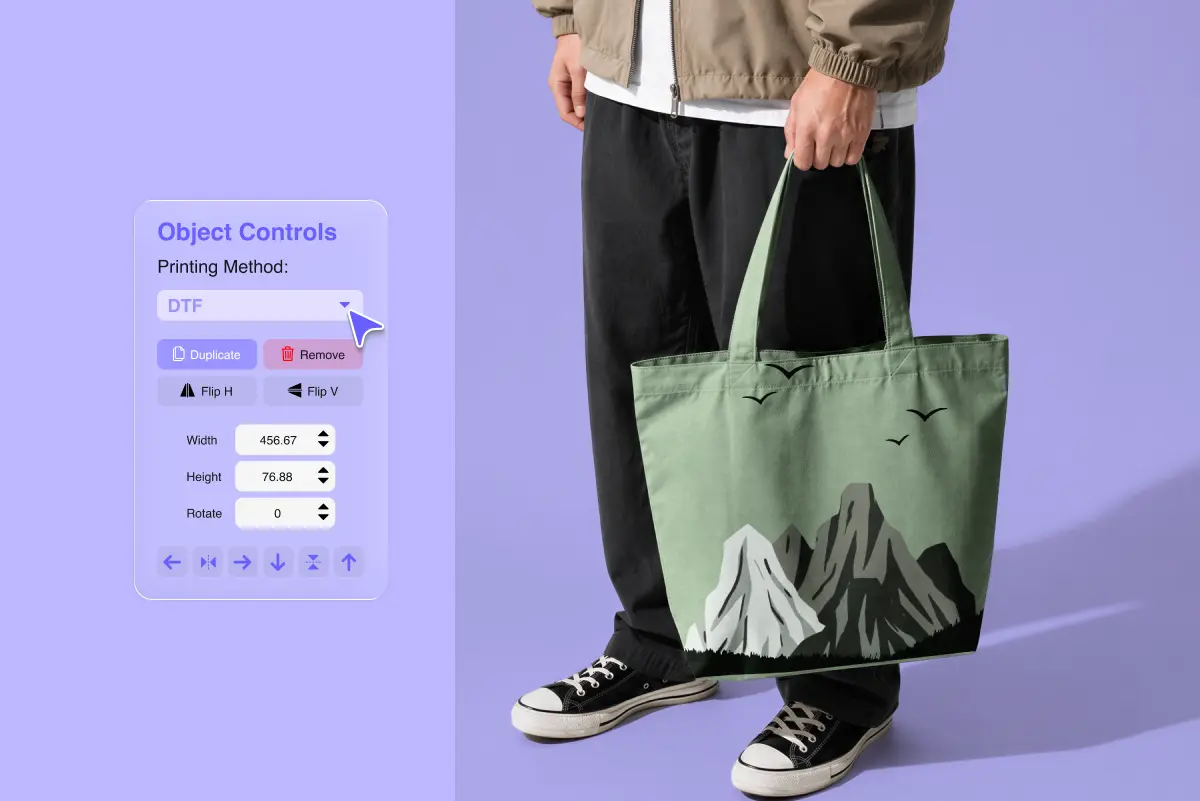
Bags combine everyday use with visible personalization. A customer can carry a tote to work, school, the gym, or the market, which gives the design more exposure than a product that stays at home. They also work well for self-purchases, group orders, promotional merchandise, and gifts.
Embroidery is especially relevant in 2026. Etsy reported a 77% rise in searches for embroidered bags among Gen Z, while searches for embroidered straw bags increased 20,000%. These figures cover specific styles, but they show clear interest in bags with visible texture and handmade detail.
Personalized bag ideas you can offer
- Book totes with the reader’s name
- Teacher bags with a name and subject
- Bridesmaid totes with embroidered initials
- Children’s school bags with names and icons
- Gym bags with a name or team number
- Photo totes featuring family or pet portraits
You can also build collections around how the bag will be used. A book-lover collection might include a lightweight reading tote, a zippered library bag, and a larger canvas bag for book shopping. Customers could choose a color, enter their name, and select an icon that matches their favorite genre. This keeps the personalization simple while giving the product a clear audience.
DTG works well for detailed artwork on cotton tote bags, while DTF supports colorful designs across more fabric types. Sublimation allows full-coverage printing on polyester bags. For names, initials, and small icons, embroidery gives the product a textured finish that can support a higher price.
Basic personalized totes usually cost around $18–$30. Zippered, embroidered, or heavier canvas bags may sell for $30–$55. Current Etsy embroidered tote listings show a wide range of asking prices, including frequent promotional discounts, so sellers should compare full prices, not sale prices alone. Prodigi lists its organic cotton printed tote from about £10 before shipping and fees. Depending on the bag and decoration method, a product-level gross margin of roughly 30–55% may be possible.
6. Personalized Phone and Tech Accessories
- Best for: Gaming stores, creator brands, artist shops, and workplace-accessory businesses.
- Personalization possibilities: Photos, names, monograms, artwork, logos, device-specific designs, and full-surface patterns.
- Estimated gross margin: Around 30–55%
- Quick note: Update device compatibility regularly. An outdated phone-model list can leave you with unsellable listings.
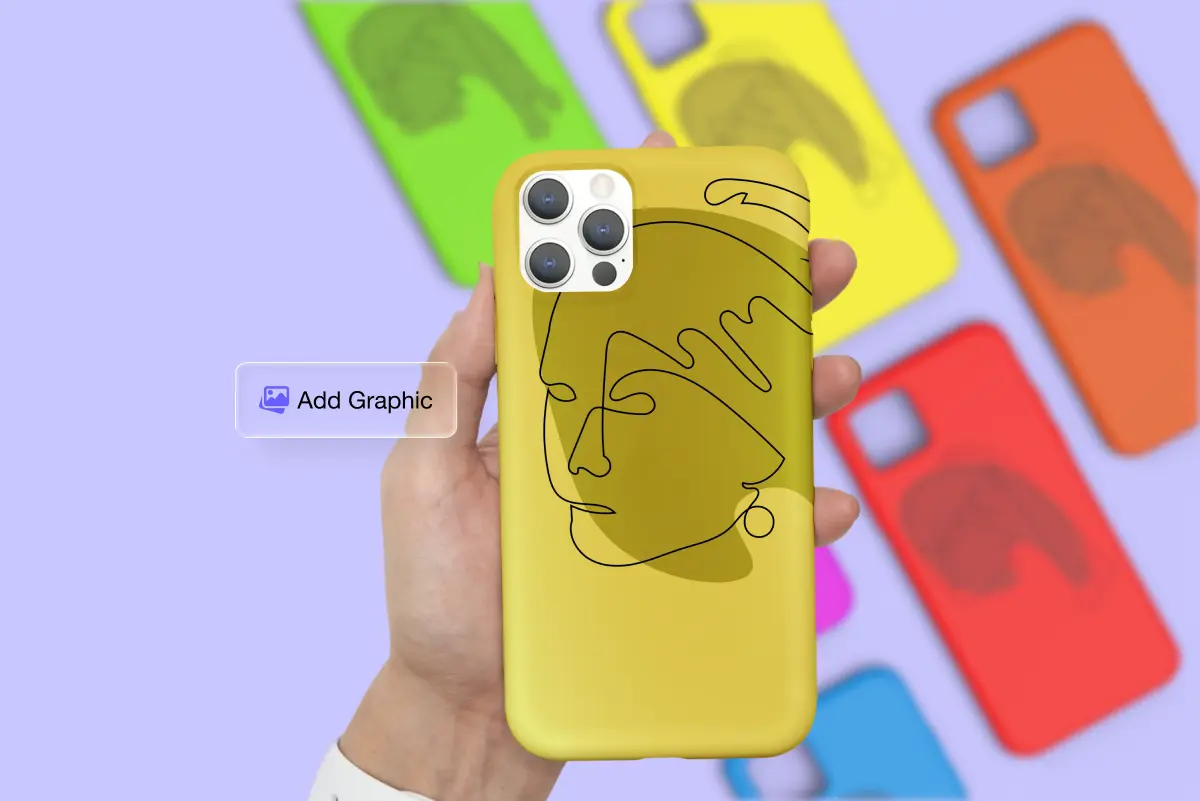
Tech accessories are replaced more often than home décor or keepsakes, giving you opportunities for repeat purchases when customers change devices or refresh their desks. Phone cases, mouse pads, laptop sleeves, and gaming mats also give buyers a simple way to display their photos, interests, or personal style.
Etsy’s 2026 report found an 835% increase in searches for polka-dot phone cases. This reflects one design trend rather than growth across every phone case style, but it shows how quickly a current pattern can create demand in this category.
Personalized tech products you can add to your store:
- Phone cases with names, initials, or photo collages
- Mouse pads featuring family or pet photos
- Laptop sleeves with monograms or custom patterns
- Gaming mats with usernames and original artwork
- Matching desk sets for students and remote workers
You could turn these into a coordinated desk collection by using the same design across a phone case, mouse pad, and laptop sleeve. Customers upload an image, enter their name, and choose their device model or product size. For phone cases, a clear device selector and accurate preview are essential because camera openings vary by model.
UV printing suits rigid cases, while sublimation works well for wraparound cases, mouse pads, and polyester sleeves. Keep names and faces away from camera holes, seams, and stitched edges.
Personalized phone cases usually cost around $20–$40, mouse pads around $15–$25, and larger desk or gaming mats around $30–$50. Current Etsy personalized phone case listings commonly fall within this range before promotional discounts. Prodigi lists snap cases from $12.83, mouse mats from $8.11, and gaming mats from $24.32 before shipping and fees. A product-level gross margin of about 30–55% may be achievable.
7. Personalized Journals and Stationery
- Best for: Planner brands, educators, coaches, book communities, and gift shops.
- Personalization possibilities: Names, cover photos, monograms, prompts, custom page layouts, reading logs, and dated sections.
- Estimated gross margin: Around 30–55%
- Quick note: Custom interior pages can support a higher price, but they require careful proofreading and print-file setup.
Journals give you two places to add value: the cover and the pages inside. Customers can use them for travel, reading, planning, study, wellness, or memory keeping, which makes the category suitable for both personal use and gifting.
Etsy’s 2026 trend report shows growing interest in this area. Traveler journal searches doubled, memory journal searches rose 189%, and leather journal cover searches increased 126%.
Personalized Journal ideas you can add to your store:
- Travel journals with names and trip details
- Reading logs with personalized covers
- Baby and family memory books
- Student planners with names and school colors
- Recipe books featuring family photos or handwriting
A travel collection could include a basic lined notebook, a guided trip planner, and a memory journal. The customer adds their name and destination, chooses a cover design, and selects lined or guided pages. This lets you offer several price points around a clear use case.
Digital printing works well for full-color covers and interior pages. UV printing or laser engraving can personalize wood, acrylic, or faux-leather covers. If you customize the inner pages, show sample spreads so buyers can see the prompts and layout before ordering.
Basic personalized notebooks can be priced around $15–$25, while guided journals and premium hardcovers may sell for $25–$40. Walmart Photo currently lists custom journals around $10.96–$12.96. Prodigi lists custom-cover spiral notebooks from $6.75, hardback notebooks from $9.47, and guided reading journals from $15.03 before shipping and fees. A product-level gross margin of roughly 30–55% may be possible.
8. Personalized Jewelry and Keepsakes
- Best for: Sentimental gift stores, wedding shops, memorial businesses, and anniversary collections.
- Personalization possibilities: Names, dates, initials, handwriting, photos, coordinates, and short personal messages.
- Estimated gross margin: Around 40–65%
- Quick note: Tell buyers whether you use printing or engraving, and clearly list the metal, plating, pendant size, and chain details.
Jewelry can hold a name, date, photo, location, or handwritten message in a product small enough to ship cheaply. Most purchases are gift-led, with birthdays, anniversaries, weddings, graduations, and memorials giving customers a clear reason to order.
Demand also favors more expressive pieces. Etsy reported that searches for whimsical jewelry rose 84%, while wedding statement ring searches increased 200% in its 2026 trend report.
Here are some Jewelry and keepsake ideas to test in your store:
- Name or initial necklaces
- Bracelets engraved with dates or coordinates
- Photo pendants and lockets
- Handwriting or fingerprint keepsakes
- Birth-flower jewelry with family names
A milestone collection can bring these products together without feeling repetitive. For an anniversary range, you might offer an engraved bar necklace, a coordinate bracelet, and a photo pendant. Customers choose the finish, enter their text, and upload an image when needed. A gift box and message card can also support a higher selling price.
Laser engraving works best for names, dates, signatures, and line art on metal. Dye sublimation or UV printing suits photo pendants and acrylic keepsakes. Always state the base metal, plating, chain length, and care instructions because these details directly affect customer expectations.
Personalized necklaces and bracelets can generally sell for $25–$60, with sterling silver or premium finishes priced higher. Current Etsy engraved necklace listings commonly sit within this range before discounts. Prodigi lists printed pendants from $6.65, while OwnPrint shows a representative fulfillment cost of $12.45 before shipping, taxes, and optional engraving. Depending on the material and personalization method, you may achieve a product-level gross margin of roughly 40–65%.
9. Personalized Event and Celebration Products
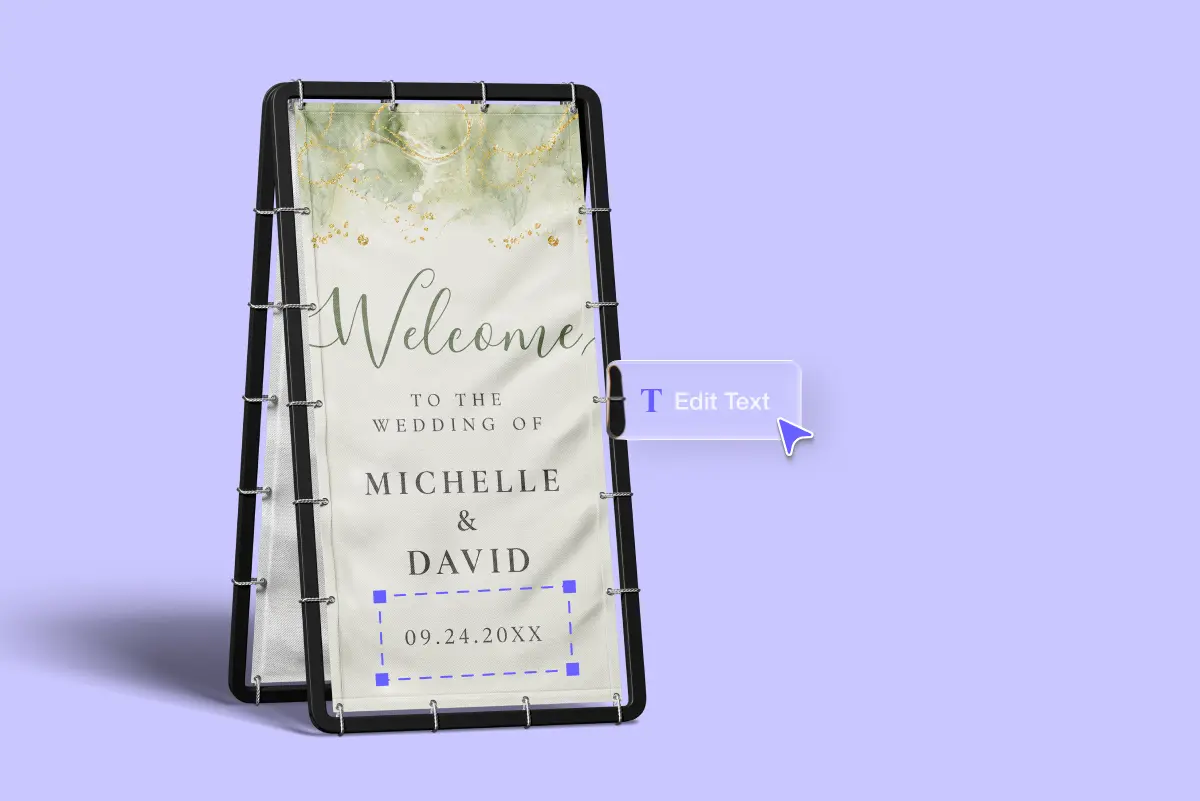
- Best for: Wedding businesses, party stores, event planners, and corporate-event suppliers.
- Personalization possibilities: Guest names, event dates, photos, venue details, menus, seating plans, welcome messages, and matching themes.
- Estimated gross margin: Around 35–65%
- Quick note: Clearly display production timeline. Late event orders create more refund and customer-service risk than regular gift orders.
Event products have a built-in reason for personalization. Buyers need names, dates, colors, venue details, or guest information before they can use them. This makes invitations, signs, and matching décor a natural fit for print-on-demand.
Demand is also moving toward more distinctive event designs. Etsy reported that searches for wildflower wedding signs more than doubled, while searches for stained-glass wedding signs increased 200% in its Spring and Summer 2026 trend report.
Event products you can add to your store
- Wedding welcome signs and seating charts
- Personalized invitations and menus
- Birthday and baby-shower banners
- Graduation signs with names and photos
- Custom table numbers and cake toppers
- Favor tags and thank-you cards
You can turn one design into a complete event collection. For example, a wedding set could include a welcome sign, seating chart, menus, and thank-you cards with the same colors and fonts. Customers enter their details once and choose the pieces they need. This keeps customization simple while letting you sell more items in one order.
Digital printing works well for invitations, menus, and cards. UV printing suits acrylic or wood signs, while dye sublimation is a practical choice for fabric banners.
Small paper products generally sell for $2–$8 each, with sets priced by quantity. Prodigi lists personalized greeting cards from $1.49 before shipping and taxes. Based on current Etsy wedding welcome sign listings, physical event signs commonly sell for about $20–$120, depending on size and material. These prices may leave a product-level gross margin of around 35–65%, though large signs cost more to pack and ship.
10. Personalized Puzzles, Games, and Hobby Products
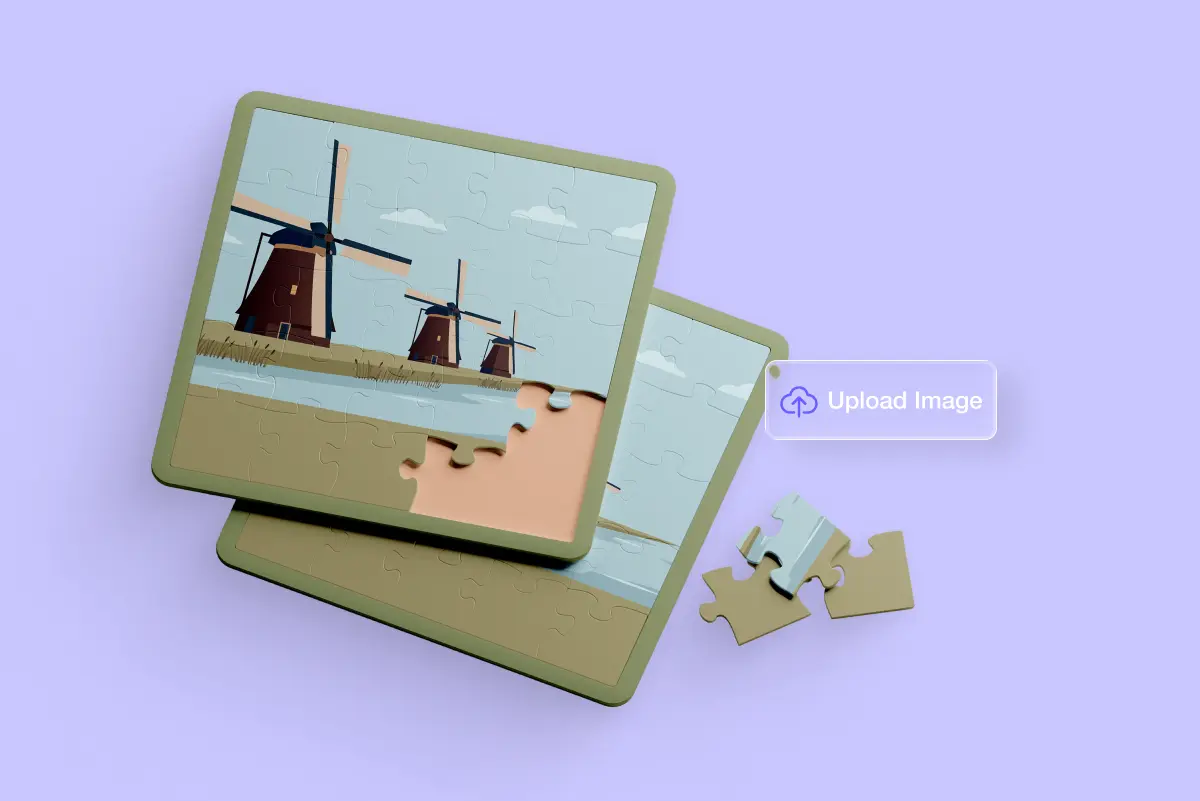
- Best for: Family gift stores, photo businesses, gaming shops, and hobby-focused brands.
- Personalization possibilities: Family photos, illustrations, names, custom card backs, memory games, maps, and celebration collages.
- Estimated gross margin: Around 30–60%
- Quick note: Set a strict image resolution limit and let buyers preview how important details will fall across the puzzle cuts.
Puzzles and games give customers something they can enjoy together, which makes personalization feel useful rather than decorative. A family photo can become a jigsaw puzzle, while names, dates, or original artwork can turn an ordinary deck of cards into a keepsake.
Etsy reported that searches for mahjong racks increased 228%, mahjong-set searches rose 178% among Gen Z, and beginner needlepoint kit searches grew 175% in its Spring and Summer 2026 trend report.
Puzzle and game products you can offer:
- Family photo and collage puzzles
- Children’s name or alphabet puzzles
- Playing cards with photos or monograms
- Wedding guest-book card decks
- Personalized memory-matching games
- Gaming mats and score pads with custom artwork
One theme can support several products. You could let a customer upload family photos for a jigsaw puzzle, then use the same images on a matching card deck or memory game. You can also arrange collections around weddings, birthdays, family game nights, and children’s learning.
Dye sublimation produces bright, full-surface prints on coated puzzle boards and fabric gaming mats. Playing cards need durable cardstock and a protective coating so the design can handle regular use. Always show a preview because faces and text can easily fall across puzzle cuts or card edges.
Personalized puzzles generally cost about $20–$45, with large photo collages reaching $60 or more. Current Etsy custom photo puzzle listings support this range, although sale prices vary. Prodigi lists custom puzzles from $13.49 before shipping and taxes. Personalized card decks may sell for $15–$35, while Prodigi lists playing cards from $10.81. Based on these prices, a product-level gross margin of roughly 30–60% may be possible before marketplace fees, discounts, and shipping.
11. Personalized Pet Products and Accessories
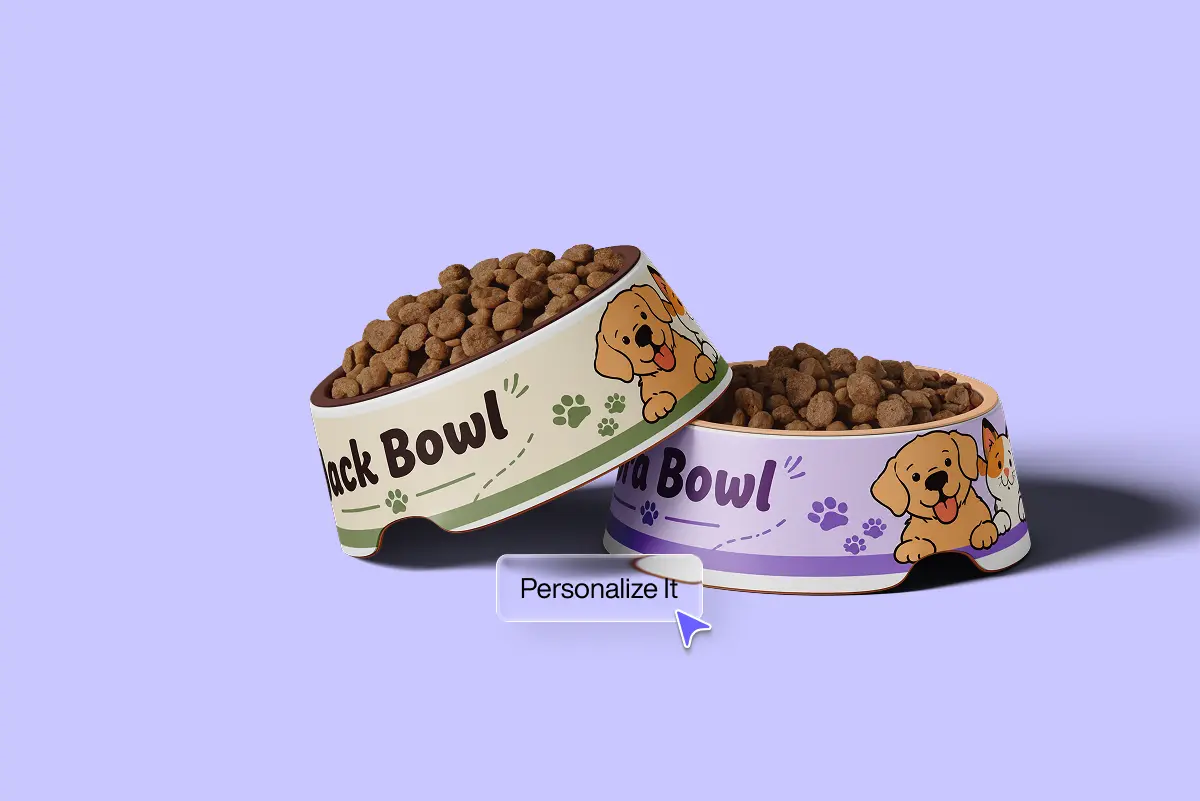
- Best for: Pet boutiques, breed-focused stores, memorial gift shops, and new-pet collections.
- Personalization possibilities: Pet names, photos, contact details, breed illustrations, feeding schedules, and household messages.
- Estimated gross margin: Around 30–55%
- Quick note: Use durable materials and make safety or care instructions easy to find, especially for bowls, collars, and tags.
Pet products are easy to personalize because buyers already have the details you need: a pet’s name, photo, breed, and favorite colors. These products also serve a daily purpose, giving customers a reason to buy them for their own pets as well as for new-pet, birthday, or memorial gifts.
The customer base is large. The American Pet Products Association reports that 95 million US households owned a pet in 2025, while total US pet spending is projected to reach $165 billion in 2026. These figures cover the whole pet industry, but they show the size of the market you can target.
Pet products worth adding to your store
- Ceramic or stainless-steel bowls with names and portraits
- Feeding mats with breed illustrations
- Printed collars with names and contact details
- Engraved metal or acrylic pet tags
- Personalized crate and kennel signs
- Wall-mounted leash holders with pet names
You can group these products into matching collections. A feeding-station set, for example, could include a bowl and mat carrying the same portrait, name, and color theme. Customers can later add a matching collar, tag, or leash holder. This gives you several sales opportunities from one uploaded photo or design.
Dye sublimation works well for ceramic bowls and polyester feeding mats because it supports full-color artwork. Laser engraving suits metal tags and wooden leash holders. For collars and ID tags, give customers a clear preview and ask them to check the spelling and phone number before ordering.
Pet tags can generally sell for $8–$20, while feeding mats may sell for $15–$35. Personalized bowls commonly sit around $25–$45, based on current Etsy custom pet bowl listings. Art of Where lists custom pet bowls from $21.50. A product-level gross margin of roughly 30–55% may be possible, but ceramic bowls can leave less room once you add protective packaging and shipping.
12. Personalized Kitchenware and Tableware
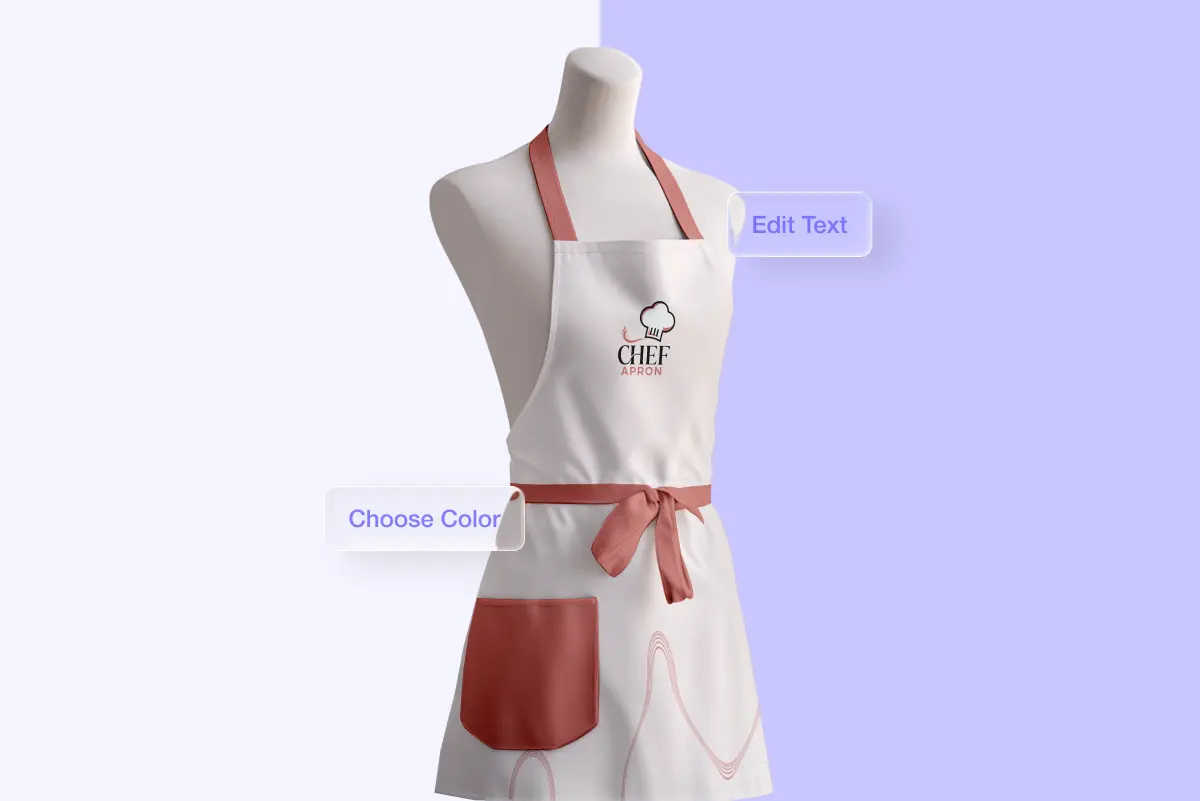
- Best for: Housewarming stores, wedding-gift businesses, food creators, and family-focused shops.
- Personalization possibilities: Family names, recipes, handwriting, monograms, photos, dates, and matching table patterns.
- Estimated gross margin: Around 35–60%
- Quick note: Confirm food-contact suitability, heat resistance, and washing instructions, rather than treating every printed surface the same.
Kitchenware brings personalization into everyday routines. A family name can turn a cutting board into a housewarming gift, while a handwritten recipe can become a serving board that carries part of a family’s history. Interest in custom details is also spreading into tableware, according to a 2026 report.
This category lets you target home cooks, newlyweds, new homeowners, hosts, and families. Customers can add names, dates, photos, recipes, house illustrations, or business logos depending on the product and occasion.
Kitchen products worth adding to your store
- Engraved cutting and charcuterie boards
- Serving trays with family names or house illustrations
- Plates and bowls with names or custom artwork
- Photo and monogram coaster sets
- Personalized placemats for adults and children
- Boards engraved with handwritten family recipes
A housewarming collection could combine a surname cutting board with matching coasters and placemats. The customer chooses the design, enters the family name and established date, and selects the pieces they want. You can then offer a serving tray as a higher-priced upgrade.
Laser engraving works well for wood, slate, and marble products. Dye sublimation suits glass cutting boards, coated coasters, and printed placemats. For plates and bowls, work only with suppliers that confirm their materials and printing process are food-safe. Keep decorative printing away from food-contact surfaces unless the supplier specifically approves it for that use.
Coaster sets can generally sell for $15–$35, while personalized cutting boards and serving trays may range from $30–$80 or more. Current Etsy cutting board and coaster listings show a wide price spread based on the wood, size, and number of pieces. Prodigi lists wooden coasters from $5.40, wooden placemats from $12.16, and glass cutting boards from $16.24 before shipping and taxes. These figures suggest a possible product-level gross margin of around 35–60%, though heavy wood and glass products may cost more to ship safely.
13. Personalized Sports and Fitness Gear
- Best for: Fitness creators, studios, amateur teams, school clubs, and wellness brands.
- Personalization possibilities: Names, team colors, player numbers, studio logos, motivational text, and full-surface patterns.
- Estimated gross margin: Around 30–55%
- Quick note: Test grip, weight, print durability, and cleaning instructions before selling products meant for regular exercise.
Fitness products let customers carry their identity into a gym, studio, or sports club. Names, team colors, logos, and alignment guides can turn basic equipment into something easier to recognize and more enjoyable to use.
Demand also follows current activity trends. The American College of Sports Medicine ranked balance, flow, and core-strength training among its top five fitness trends for 2026, which is boosting products made for yoga, Pilates, and similar workouts.
Fitness products worth adding to your store
- Yoga and Pilates mats with names or artwork
- Personalized pickleball paddles and covers
- Quick-drying gym and yoga towels
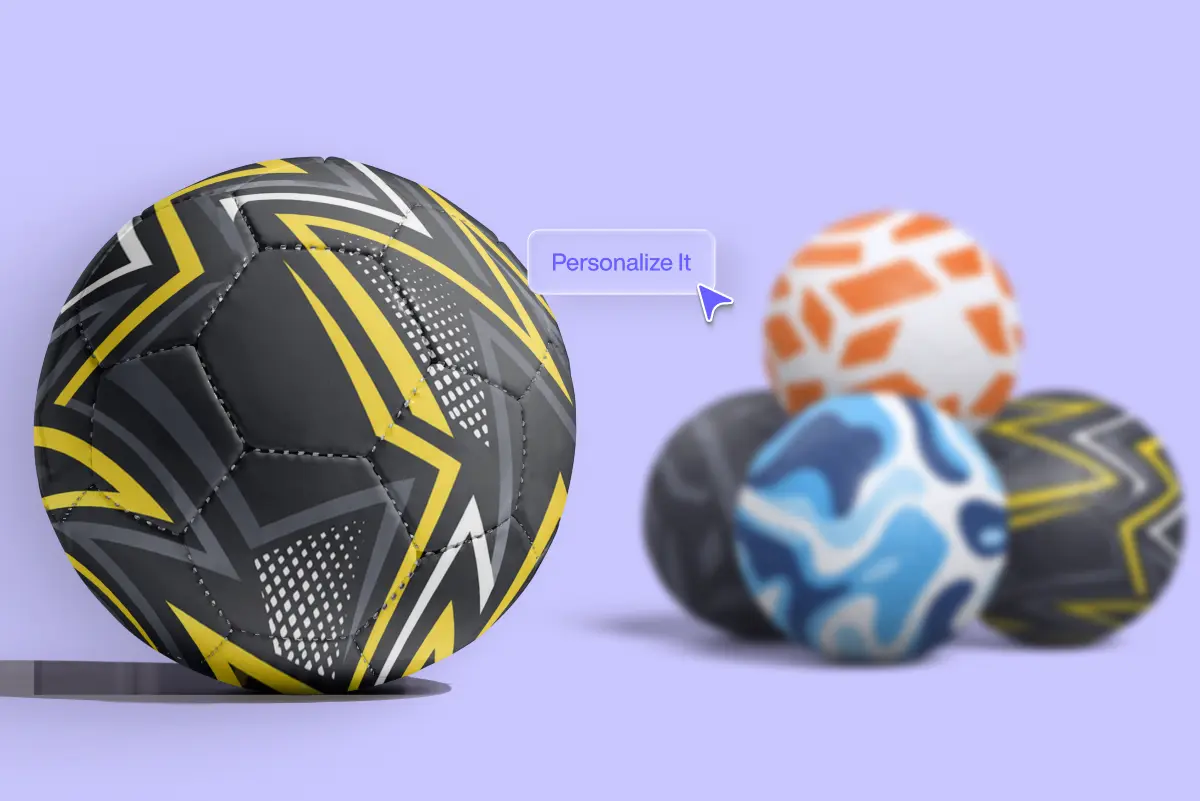
- Sports balls with names or team graphics
- Custom team and coach accessories
- Exercise mats with printed workout zones
You could build a yoga set around a personalized mat, matching towel, and carrying strap. For pickleball customers, offer matching paddles, covers, and court towels. Let buyers add a name, club logo, short message, or color scheme to each piece.
Dye sublimation works well for microfiber towels and fabric-topped exercise mats. Paddle printing requires a supplier-approved process that doesn't change the playing surface. If you sell equipment for competitive use, confirm that the finished product meets the relevant sport’s rules.
Personalized towels can generally sell for $15–$30. Yoga mats often range from $50–$90, while custom pickleball paddles may sell for $55–$100. Current Etsy listings place many personalized yoga mats around $40–$105, while Zazzle lists custom pickleball paddles in the $75–$100 range. Fourthwall offers POD yoga mats from $34.95 before shipping. Depending on the product, you may achieve a gross margin of roughly 30–55%, though large mats can be expensive to ship.
14. Personalized Footwear
- Best for: Streetwear labels, artist merchandise, wedding collections, team stores, and fashion-led gift shops.
- Personalization possibilities: Names, initials, photos, artwork, matching-event designs, team colors, and all-over patterns.
- Estimated gross margin: Around 35–65%
- Quick note: Provide regional size conversions and order samples to check fit, seam alignment, print placement, and material quality.
Shoes let customers carry a personal design wherever they go, which makes them a strong fit for POD stores built around identity, hobbies, events, or gifts. Demand for customized footwear is also growing. Fortune Business Insights estimates that the custom shoes market will rise from $990 million in 2026 to $1.74 billion by 2034.
You can personalize the full upper with patterns or artwork, or let customers add smaller details such as names, initials, dates, and short messages. Major brands already support this type of buying experience. Vans Customs, for example, lets buyers choose from more than 90 colors, patterns, and materials.
Personalized footwear worth adding to your store
- All-over-print low-top canvas sneakers
- High-top shoes with names or original artwork
- Custom slip-ons for weddings and group events
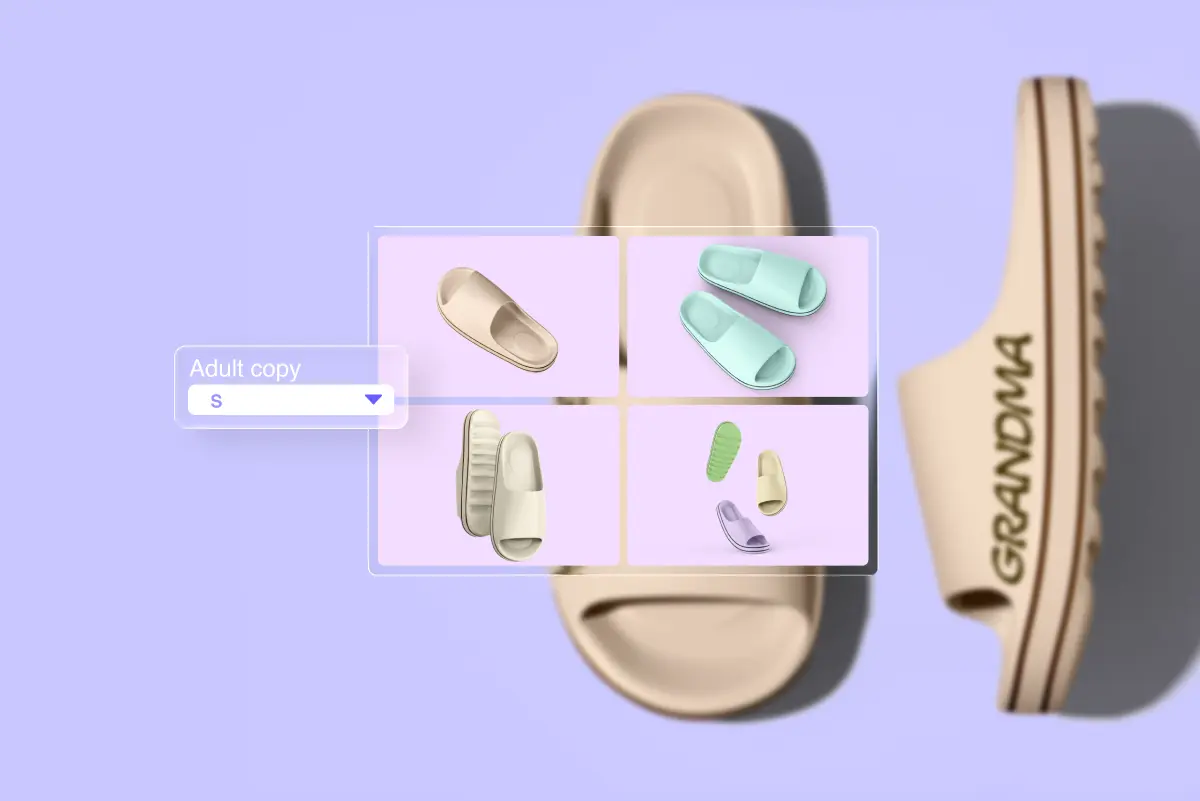
- Slides with monograms, photos, or team colors
- Personalized slippers for couples and families
- Children’s shoes with names or playful patterns
Try building each design around a clear buyer. A wedding collection could include matching sneakers for the couple and slip-ons for the wedding party. A sports collection might use team colors, player names, and jersey numbers across sneakers and slides. You can also apply one artwork style across several shoe types so customers can choose their preferred fit.
All-over printing works well for bold patterns across fabric uppers, while embroidery suits small names or initials. Because shoes have seams and curved panels, order samples to check design placement. Give customers an accurate size chart and regional size conversions, since sizing mistakes can quickly reduce your profit.
Personalized slides usually sell for $30–$50, while custom sneakers may sell for $55–$100 or more. Converse currently prices selected custom shoes at $85–$105. On the production side, JetPrint lists many POD shoes at roughly $10–$21.50 before shipping, including canvas, leather, and knit styles. Depending on your supplier, selling price, shipping, and return costs, this can leave a product-level gross margin of about 35–65%.
How to Choose Which Personalized Products to Sell?
Choose personalized products by checking five things: proven demand, enough profit after every variable cost, clear personalization value, reliable fulfillment, and a buyer you can reach. Build most of your catalog around products with steady demand, then use a smaller group of seasonal items to capture short sales peaks. Test each product before expanding the collection. Here are a few more details:
- Start with a specific buyer: Decide whether you are selling wedding gifts, pet accessories, team gear, home décor, or another clear niche. A defined buyer makes it easier to choose products and create useful personalization options.
- Check real demand: Use Google Trends to see whether interest is stable, growing, or seasonal. Compare several years, since a short spike doesn't confirm lasting demand. Then check major marketplaces for available styles, prices, reviews, and competition levels.
- Calculate the complete cost: Include production, personalization charges, shipping, transaction fees, advertising, discounts, and a refund allowance. Use this formula: “Profit margin = (selling price − total variable cost) ÷ selling price × 100”. A sensible screening target is at least 30%, with 40% or more preferred for personalized products. This is a planning target, not a guaranteed result.
- Check whether personalization adds a real reason to buy: A name on a necklace, pet photo on a bowl, or family recipe on a cutting board changes the meaning of the product. Adding a text box to an ordinary item may not support a higher price.
- Confirm that you can fulfill it consistently: Order a sample and check print quality, material, sizing, packaging, production time, and replacement policy. If customer files require manual editing on every order, include that labor in your cost.
A practical starting catalog could contain about 70% evergreen products and 30% seasonal or trending items. Treat this as a flexible planning split. Let your sales data decide the final balance.
How to Add Product Personalization to Your Shopify Store?
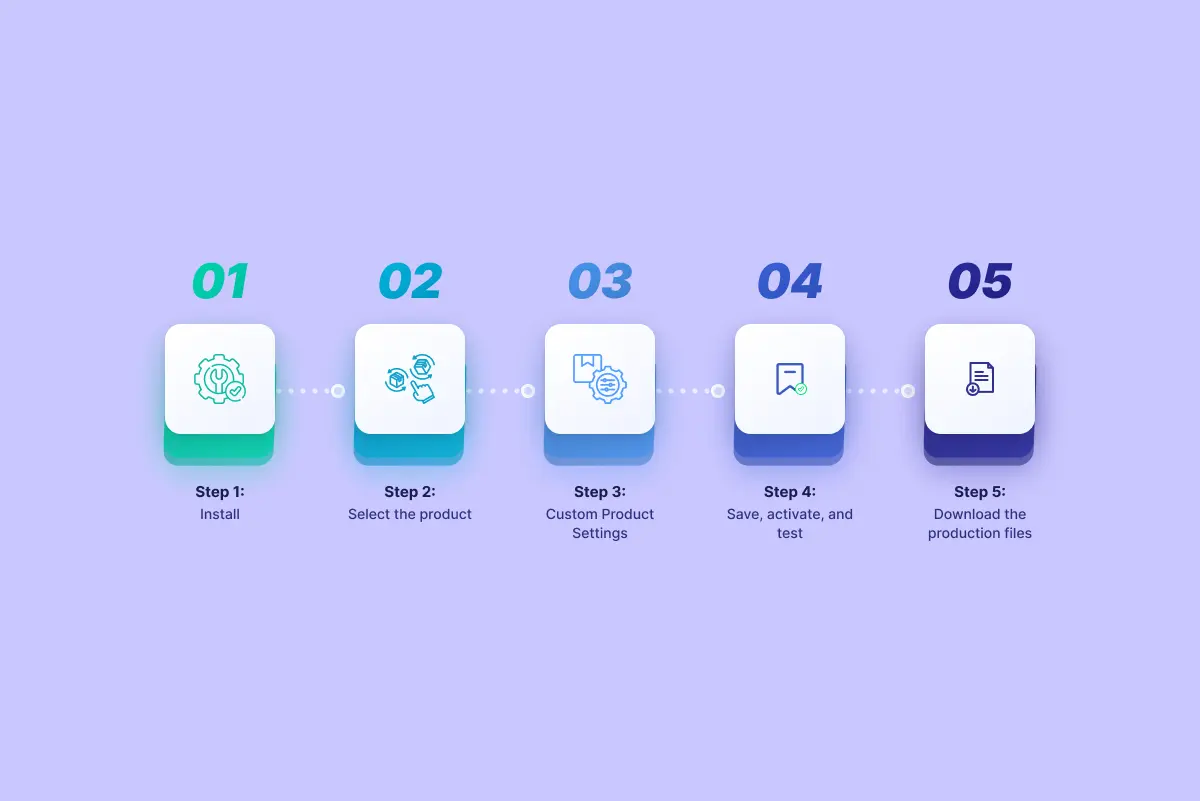
You can add product personalization to Shopify with InkyBay, a product personalizer that gives customers a live design tool on your product page. They can add text, upload photos or artwork, choose product options, and preview the result. You can set pricing rules and receive print-ready files after they order.
Shopify variants work well when customers only need to select fixed choices such as size or color. Personalized POD products often need more freedom. A wall-art buyer may want to upload several photos, while a jersey customer may need to add a name, number, logo, and sleeve design.
InkyBay brings those choices into one design tool. It shows changes in real time, updates the price as customers add options, and keeps the design within the printable area. This helps you collect complete orders without long email exchanges. Here’s a step-by-step guide to add product personalization to your store with InkyBay:
Step 1: Install InkyBay
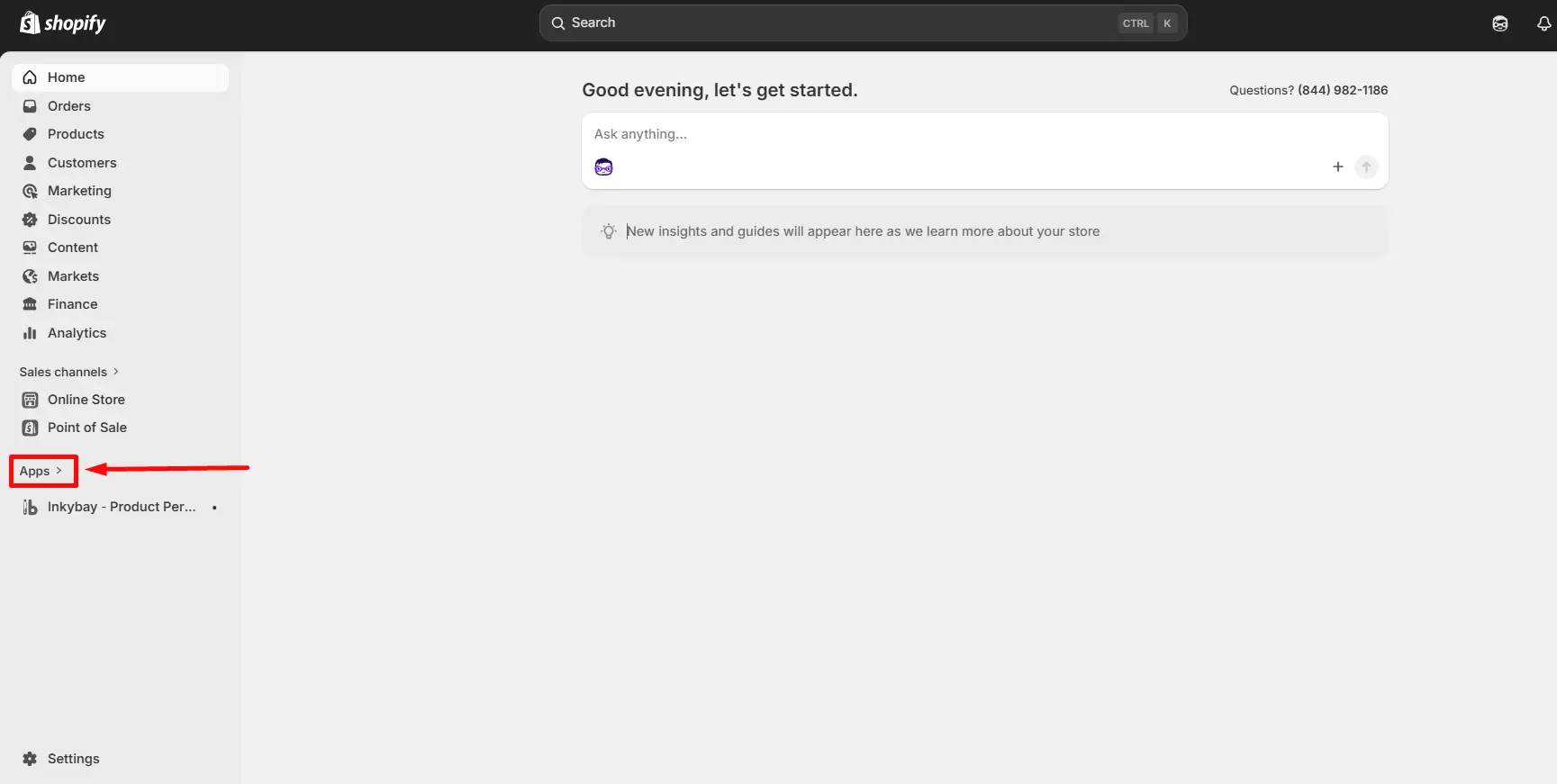
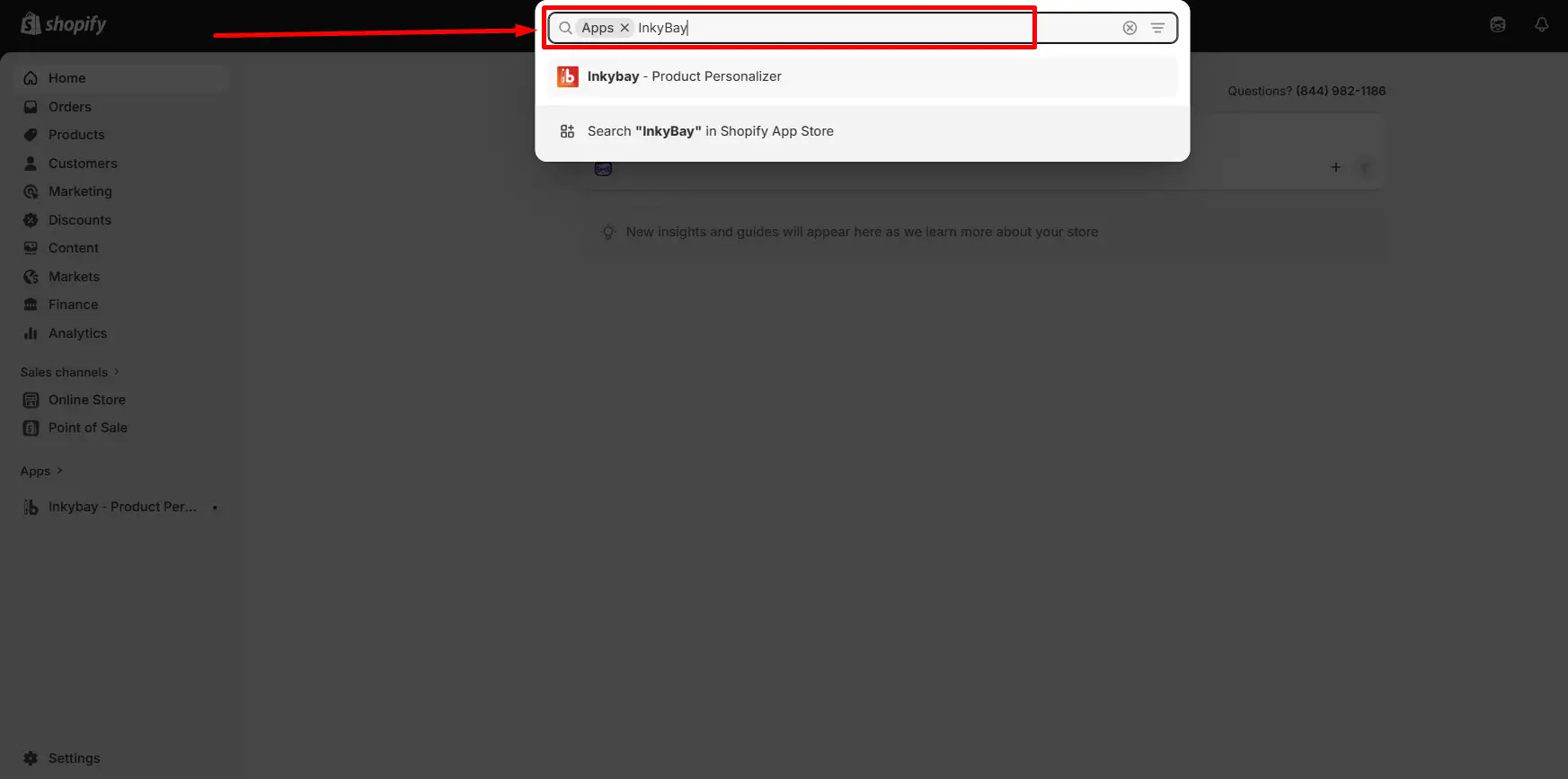 Open your Shopify store admin. Go to Apps from the sidebar, search for InkyBay, and install it. Complete the app setup and select a plan that supports the number of products, print sides, and monthly custom orders you expect.
InkyBay currently offers a 21-day free trial, so you can check exactly how it fits your store.
Step 2: Select the Product you Want to Personalize
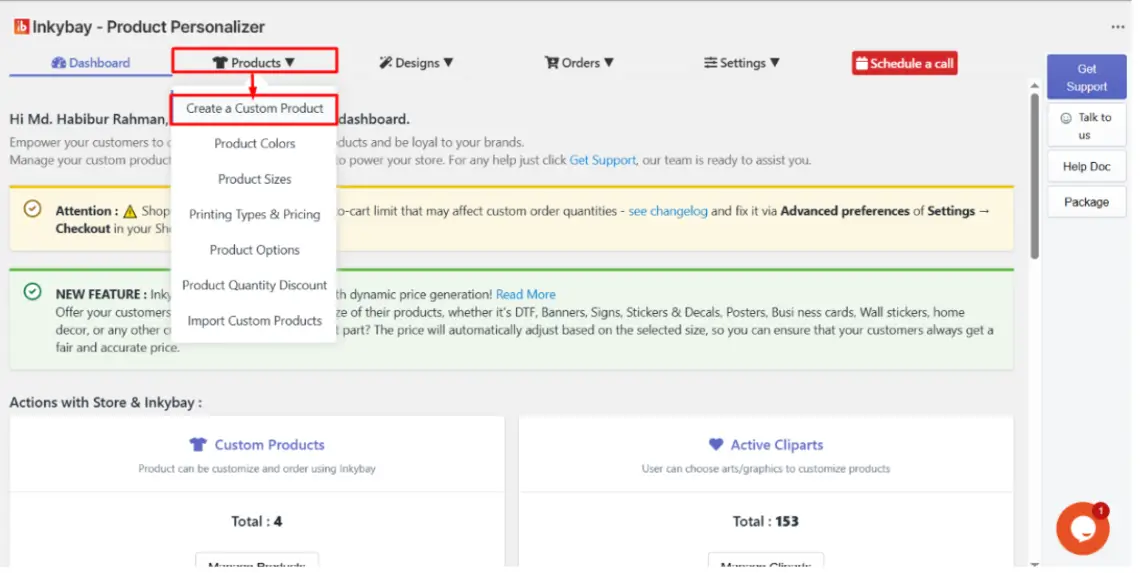
After installing InkyBay, go to the InkyBay dashboard and select “Create a custom product” by hovering over the Products menu.
Click on the “Make it Customizable” button.
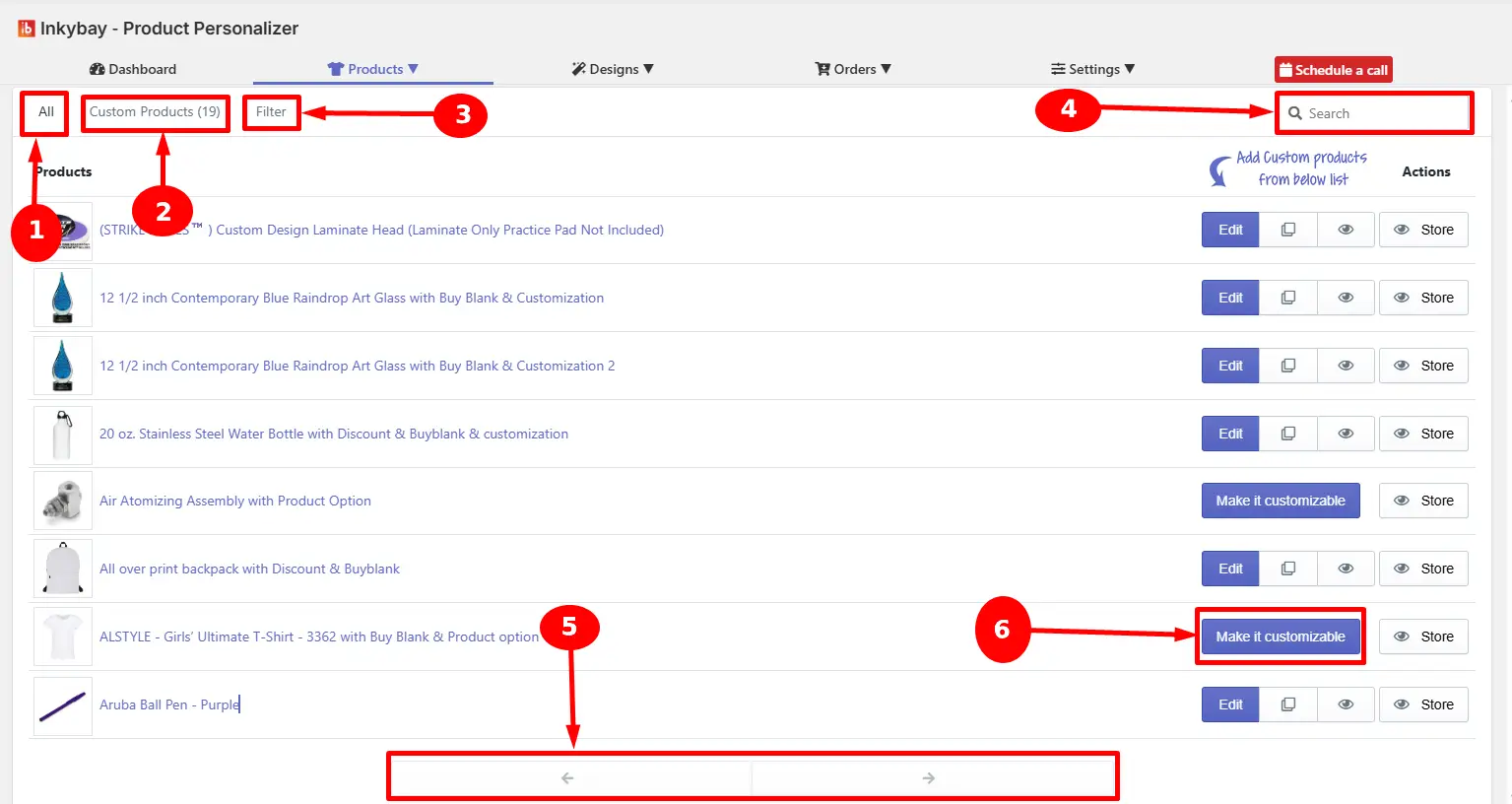 Step 3: Custom Product Settings
After clicking the “Make it Customizable” button, you will be taken to a new page. There, add all the information needed to create custom products.
Add all the necessary information:
With the restrictions option, you can only show options that suit the product. A pet tag may need a name and phone number, while a photo canvas may need image upload, custom wording, size, and frame choices.
Once you are done with the settings, just click the Save button at the bottom. And move on to the next step.
Step 4: Save, Activate, and Test the Product
After you finish editing and click “Save,” scroll back up and select “Yes” under Active in Designer.
Before publishing the product widely, test it on desktop and mobile. Add text, upload an image, switch product options, check the live preview, and place a test order. This is the quickest way to catch incorrect print areas or missing charges.
Step 5: Download the Production Files
When a customer orders, you can open the order from Shopify or the InkyBay dashboard. InkyBay provides the design preview, selected options, customer uploads, and production files.
Files are currently available in SVG, PDF, PNG, and JPG formats. You can review them and send the correct format to your printer or fulfillment partner without rebuilding the customer’s design by hand.
Matching Print Methods to Personalized Products
Match the print method to the product material and the type of personalization. Use DTG for detailed cotton apparel, DTF for mixed fabrics, sublimation for polyester and coated products, embroidery for names and logos, engraving for permanent details, and UV printing for rigid items. Always check your supplier’s material requirements before listing a product.
- DTG: Detailed photos and artwork on cotton T-shirts, hoodies, and tote bags.
- DTF: Apparel, sportswear, bags, and other cotton, polyester, or blended fabrics.
- Sublimation: Polyester textiles, mugs, tumblers, mouse pads, puzzles, and coated metal products.
- Embroidery: Names, initials, and simple logos on apparel, towels, bags, and pet accessories.
- Laser engraving: Jewelry, drinkware, cutting boards, pet tags, and keepsakes made from compatible wood, glass, or metal.
- UV printing: Phone cases, signs, acrylic pieces, promotional products, and other rigid surfaces.
These methods work best; however, you should always order a sample before launch. The product coating, fabric blend, and surface texture can change the final color and durability.
Conclusion
Personalization gives POD sellers a clear way to offer products customers cannot compare by price alone. Choose products with proven demand, workable margins, reliable fulfillment, and the right print method. Then use InkyBay to collect customer designs, show live previews, calculate pricing, and turn those choices into production-ready orders.
Frequently Asked Questions About Personalized Print-on-Demand Products
What Is The Most Profitable Personalized Product To Sell On Shopify?
Personalized jewelry, wall art, and event products often offer strong margin potential because buyers value their personal meaning. No single winner fits every store. Compare the selling price with production, shipping, fees, advertising, and refund costs before choosing.
How Much Extra Should I Charge For Personalization?
Charge enough to cover the added production cost, design work, app fees, and your target margin. Use this formula: Personalization price = added cost ÷ (1 − target margin). If personalization costs you $4 and you want a 40% margin, charge about $6.67.
Do Personalized Products Increase Average Order Value?
Personalized products can increase average order value when customers pay for photo uploads, extra print sides, premium materials, gift packaging, or matching products. Bundles and quantity discounts can also encourage larger orders. Results depend on your pricing and product setup, so compare AOV before and after adding personalization.
What Personalization Types Do Customers Want Most?
Names and text, photo uploads, monograms, color choices, and custom artwork are the most useful options across common POD categories. The right choice depends on the product. Jewelry suits names and dates, while wall art, pet products, and puzzles work well with customer photos.
Which Niches Perform Best For Personalized Print-On-Demand Products?
Gift led niches usually have the clearest demand. Weddings, anniversaries, new babies, pets, housewarmings, memorials, sports teams, and family occasions give customers a specific reason to personalize. Choose one buyer group first, then build a small product collection around its common events and needs.
Can I Offer More Than One Print Method In The Same Shopify Store?
You can offer DTG, DTF, sublimation, embroidery, engraving, and UV printed products in one Shopify store using InkyBay. Each product needs the correct supplier, artwork rules, pricing, and production file. InkyBay lets you create different printing types and pricing rules for customized products.


