

Last Updated on January 27, 2026
Key Takeaways
- E-commerce Sales Calendar 2026: a year-round roadmap with major shopping dates, campaign ideas, and best-selling products.
- The first quarter (January-March) offers a golden opportunity to re-engage your audience and test new ideas.
- Quarter 2 is your critical selling window for purpose-driven campaigns and thoughtful messaging.
- With Q3 launches and Q4 planning, you get time to prepare for hot-selling seasons & earn more sales.
A successful e-commerce year starts with one thing: Proper Timing. If you launch the right product too late or at the end of peak seasons, you miss the surge & lose potential buyers. That’s why having a clear, well-planned e-commerce sales calendar in 2026 isn’t just an option; it’s a must-have business growth strategy.
To help you kick-start your marketing campaigns with perfect peak sales seasons, we’ve prepared a marketing calendar 2026 with key dates, sale campaign ideas, and best-performing product categories. So, what are you waiting for? It’s time to plan campaigns earlier, align your products with demand, and turn every holiday into an opportunity.
Let’s get started!
What is an E-commerce Sales Calendar?
An e-commerce sales calendar in 2026 is a strategic, monthly sales planning framework that helps online merchants decide when to sell, what to promote, and how to run campaigns profitably year-round. It’s not just a list of potential sales; it functions as a revenue, marketing, and operations control system for e-commerce merchants. From Shopify store owners to DTC brands and small to mid-size e-commerce teams, follow this calendar to plan.
In short, the e-commerce sales calendar is a forward-planned schedule that aligns-
- Sales events,
- Customer buying behavior,
- Marketing spend,
- Inventory, and
- Fulfillment to maximize profit.
It is an effective marketing strategy that not only focuses on increasing sales but also helps merchants to:
- Plan campaigns 30-90 days ahead
- Unlocks more sales windows
- Better operational planning
- Improves coordinated execution and
- Reduces last-minute errors & stress
Why is a well structured e-commerce calendar essential in 2026?
A well-planned e-commerce calendar is essential in 2026 to stay competitive, as it allows for proactive planning of campaigns, inventory, and logistics around key seasonal peaks and global holidays. Also, it prevents last-minute urgency, improves customer experience with timely offers, and drives sales through data-driven marketing strategies.
Here are some key reasons for building your e-commerce calendar:
1. Maximizes sales opportunities year-round
A marketing calendar with strategic planning helps you to plan around not just Black Friday or Christmas, but dozens of sales windows. So, planning lets you tailor offers that actually convert instead of random discounts. Suppose you can promote gift bundles for Valentine’s Day instead of just promoting a generic discount code, which can lift AOV & engagement.
2. Improves customer engagement & communication
By aligning email, SMS, social, and offerings with key dates in advance, you can run relevant campaigns at the right time. This helps you to avoid disjointed, last-minute prompts that feel chaotic to customers. For example, you can send a “Spring Refresh” style guide ahead of Easter, giving shoppers a useful guide, not just promotions.
3. Avoid last-minute rush & reduce errors
Without a calendar & proper marketing strategy planning, marketing teams often puzzle, leading to technical issues like checkout problems, poor customer experiences, and broken links. Planning gives you enough time for QA, creative product page design, and logistics coordination. A top-notch brand often prefers to plan a Cyber Monday campaign six weeks ahead, avoiding server overload and costly fixes.
4. Better inventory & supply chain planning
Most key sales windows have lead times, whether it’s for stocking seasonal goods, designing festival-themed products, or selling personalized items. When you’ve a proper calendar with dates, you can predict the demand and avoid stockouts or excess inventory.
5. Enables smarter, personalized marketing
Do you plan to sell personalized products as trendy in 2026? All you need to focus on is your marketing calendar to segment audiences’ buying patterns and personalize offers based on seasonal behavior.
6. Breaks dependency on just “Big” Sale Days
Relying only on major sales days (like Cyber Monday) makes merchants vulnerable to competition and saturation. A calendar helps you to plan sales across creative micro-moments, keeping revenue more stable. This helps you to build brand awareness and keeps you top-of-mind with your target audience.
A report from Forbes showed Black Friday set a new online spending record with $11.8 billion in sales, representing an 8.7% year-over-year increase. Both Black Friday and Cyber Monday have evolved from two separate 24-hour events with peak shopping season.
Ultimate E-Commerce sales calendar you shouldn’t miss in 2026
When you map out campaigns or offerings early, it’s easier to align products and fulfill your consumers’ demands with a lower return rate. 73% merchants reported that over 20% of their annual revenue comes from BFCM & the holiday season (October to December). With a smart e-commerce sales calendar, you get that high traffic into your store, stay consistent, and grow your business.
Here is a quick overview of the 2026 E-commerce Sales Season windows:
| Date | Event | Notes/Reminders |
| January 1 | New Year’s Day | Start campaigns 1-2 weeks before Jan 1 to capture early planners |
| January 28 | Lunar New Year | Highlight “Limited Edition Lunar New Year products” and festive bundles |
| February 14 | Valentine’s Day | Peak shopping 1-2 weeks before |
| February 17 | Chinese/Lunar New Year | Start stocking seasonal & limited-edition items at least 4-6 weeks ahead |
| March 8 | International Women’s Day | Consider both B2C gifting and B2C self-purchase behavior |
| April 5 | Easter Sunday | Last-minute shopping reminders 1-2 weeks prior |
| May 10 | International Mother’s Day | Stock popular items at least 4-6 weeks before & set cut-off dates for personalized products |
| June 21 | National Father’s Day | Early bird campaigns (June 1-10) to get potential buyers & last-minute deals with free shipping/discounts |
| July 4 | Independence Day (USA) | Run a three-day flash sale with tiered discounts (July 3-5) |
| August 2 | Friendship day | Highlight “limited edition” or “exclusive” items to increase urgency |
| August 15 | Back-to-school day 2026 | Plan 3-4 weeks in advance, prepare bundles & inventory |
| October 6 | International Teacher’s Day | Start campaigns by mid-September & launch “Thank a Teacher” campaigns |
| October 31 | Halloween | Promote themed custom products, run limited-time campaigns, and prepare social & influencer content |
| November 19 | International Men’s Day | Ideal for brand storytelling and value-based offers |
| November 26 | Thanksgiving Day | Warm up traffic, build urgency, and revenue primer for BFCM (Black Friday & Cyber Monday) |
| November 27 | Black Friday | Prepare tiered discounts, free shipping thresholds, inventory & fulfillment check |
| November 30 | Cyber Monday | Retarget Black Friday non-buyers; highlight bundles & deals |
| December 24-25 | Christmas Day | Festive bundles, last-minute shipping promotions & social campaigns |
| December 26-31 | Happy New Year | Major clearance sales; plan post-holiday offers |
Quarter 1: January to March retail holidays & marketing ideas
From New Year’s Day to Mother’s Day, Q1 blends fresh starts with effective marketing strategies, tries new things, and resets campaign planning that you can use to build momentum. Considering previous sales strategies, offerings, and campaigns, you can set your quarter planning.
January: Fresh Starts with New Beginnings
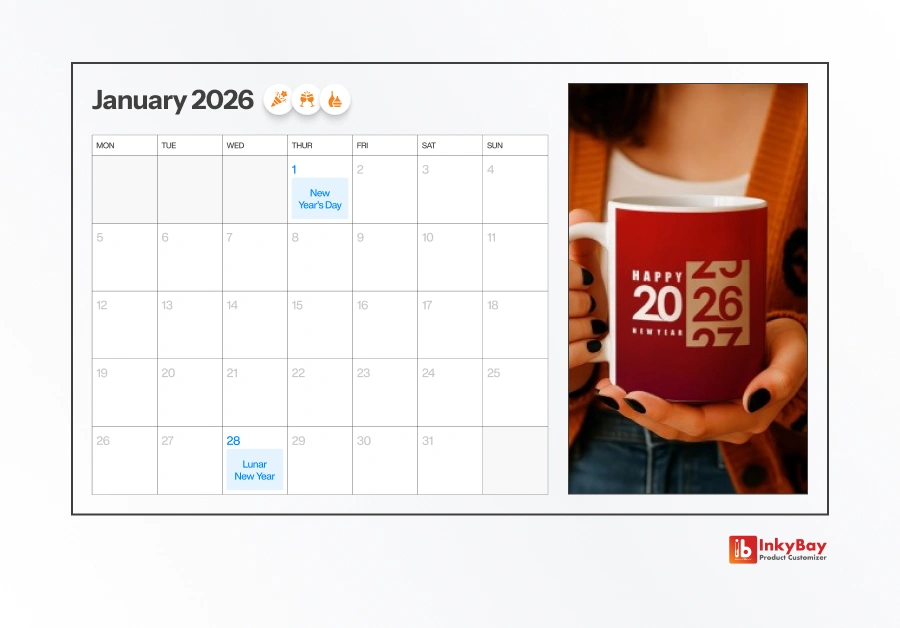
A new year is all about fresh starts. Shoppers are rethinking and setting New Year’s resolutions. It’s the perfect month to focus on trendy products that customers adore most & campaigns that symbolize fresh starts or self-improvement.
New Year’s Day, January 1
The year’s first day starts with fresh vibes for consumers around the world. It comes with New Year’s resolutions and motivations. As the weather is getting colder, shoppers often prefer to buy cozy winter gear and indoor activities, like blankets, hoodies, and loungewear. However, you can also run marketing campaigns and promotions focused on self-care and yearly planning or goals.
Other key dates:
✅ National Science Fiction Day (Jan 2)
✅ National Sticker Day (Jan 13)
✅ National Hat Day (Jan 15)
✅ Martin Luther King Jr. Day (Jan 19)
✅ Lunar New Year (Jan 28)
| Note: If you’re targeting the Australian Market, mark January 26 on your calendar as the biggest sales event of the year. This is a perfect sales day for your marketing campaigns. |
Best Products to sell:
- Fitness: Smartwatches, yoga mats, home gym equipment, and gym wear.
- Beauty: Skincare products, essential oils, and hair care sets.
- Winter essentials: Custom yoga pants, personalized sweaters, and others.
- Decor: Design posters, custom pillows, and cozy blankets to brighten winter spaces.
- Outdoor & Adventure Gear: Hiking backpacks, water bottles, and fitness trackers.
January marketing & sales strategies:
- “New Year, New You” campaigns: Offer bundle products
- Email & SMS automation: Countdown campaigns (Dec 28 – Jan 1) & Early-bird offers.
- Social media & paid ads: Target potential customers & retarget past customers with “upgrade your lifestyle in 2026” campaigns.
- Flash sales & limited-time offers: Create urgency with 24-72 hour discounts and offer free shipping for orders.
Popular January hashtag ideas:
- #NewYearNewMerch
- #JanuaryDrop
- #WinterBuys
- #FreshStart2026
February: Love & celebration
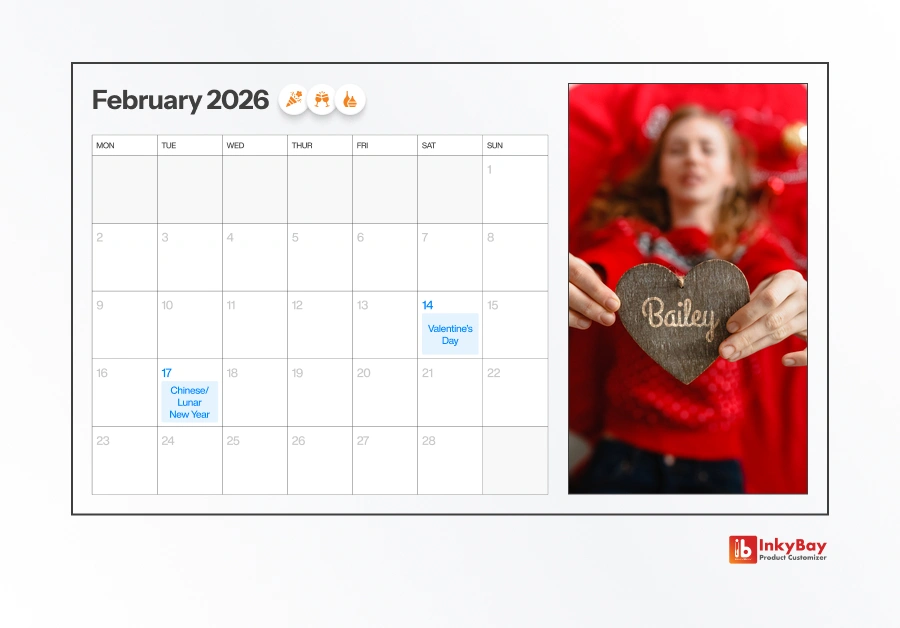
The month combines high-intent buying moments, emotional triggers, and strategic timing right after the New Year slowdown. From Valentine’s Day to Super Bowl campaigns, there are several key e-commerce sales. So, check inventory on gift-ready SKUs and gift ideas.
- Valentine’s Day, February 14
The month is buzzing with many important e-commerce key dates, like Valentine’s Day, which is the biggest event & sales driver for many businesses, like gift, jewelry, and flower industries. As the year’s biggest gifting holiday, you can spread the love and build brand identity through “Valentine’s Day personalized gift items”.
- Super Bowl Day, February 8
Another biggest American sporting event that drives potential sales of sports clothing, like baseball jerseys, baseball hats, hoodies, and custom t-shirts. You can launch “Super Bowl-related campaigns” to attract targeted customers.
- Lunar New Year Day, February 17
On the other hand, the Lunar New Year (February 17) is a popular holiday in East & Southeast Asia, celebrated with family reunions, feasts, and traditions like honoring ancestors. To increase your sales, launch early campaigns (at least 1 week).
Best-selling Products:
- Valentine’s favorites: Personalized gifts (engraved ring, custom jewelry), scented candles, matching tees, classic gift boxes, and so on.
- Event & seasonal: Sports & party gear around the Super Bowl.
- Pet products: Pet tags, custom dog beds, pet accessories, etc.
February campaigns & sales insights:
- Valentine’s campaigns: Gift bundles & BOGO deals, early-bird offers (or even late January) with tiered discounts, and themed packaging (pink/red seasonal packaging as Valentine’s theme).
- Super Bowl campaigns: Sports bundles (snacks + game gear), giveaways to increase social engagement, or create urgency (e.g., “Shop Party Pick before Kickoff”).
- Chinese New Year campaigns: Launch a limited red and gold “Lucky Edition” product line or send exclusive SMS hongbao discounts for getting potential subscribers.
You can post polls on Instagram for win or score predictions with a limited-time flash sale during the game.
Some popular hashtag ideas:
- #FebruaryFavorites
- #SeasonOfLove
- #GameDayGear
- #PetLoveDay
- #CelebrateBlackHistory
March: Kicking off the shopping season
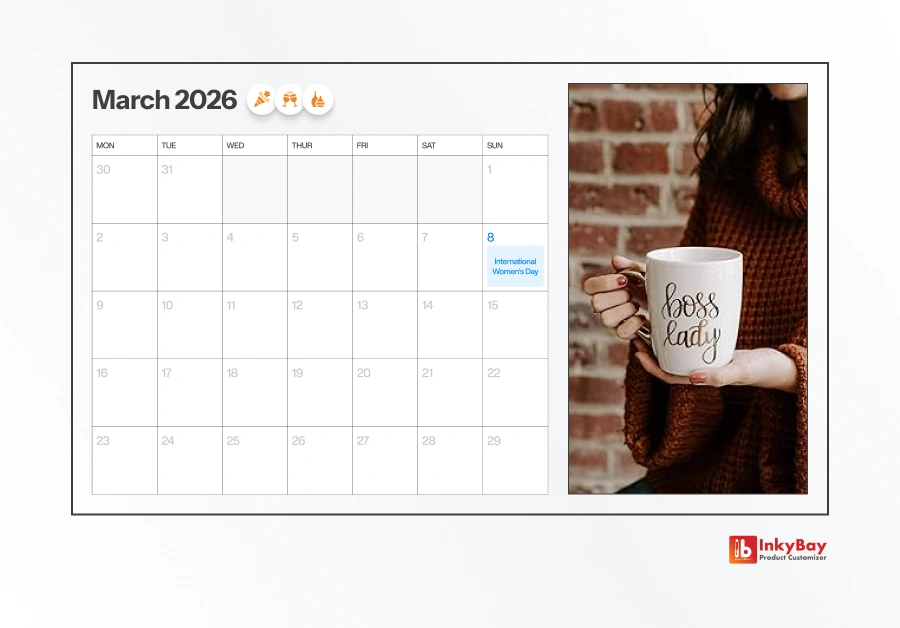
After February’s emotion-driven, March brings more rational buying behavior. The month starts with honoring “women” when shoppers focus on self-improvement and value. Also, it triggers fresh demand with a vibrant sense of “Spring beauty.”
- International Women’s Day, March 8
The day is a global moment that shifts buyers’ focus toward female recognition and empowerment. You can run a campaign that resonates with Women’s Day to attract shoppers, both men and women, who want to purchase to celebrate achievements and gender equity.
Top brands across fashion, beauty, and lifestyle introduce their new skincare or beauty items with special discounts. For many female shoppers, this day triggers a “treat yourself” response.
- Spring Prep Sale, March 20
In the Northern Hemisphere, the first day of spring is the “Transition Peak” to sell seasonal products. Customers prefer a more vibrant lifestyle and are looking for refreshing items for their homes, gardens, and their wardrobes to welcome the new season.
Another big e-commerce sale is March 25-31, counted as “Amazon’s Big Spring Sale,” which occurred in 2025. For 2026, the announcement is pending.
Hot-selling products:
- Electronics & tech gadgets (e.g., smartphones, accessories, audio gear, etc.)
- Fashion & beauty products (seasonal apparel and beauty routines transitioning to Spring)
- Home & lifestyle items (kitchen tools, décor, air purifiers & wellness gear)
- Eco-friendly items (reusable water bottles, recycled t-shirts, tote bags, etc.)
- St. Patrick’s Day gear (festive decorations, novelty items, and apparel with St. Patrick’s Day Shirt ideas)
March e-commerce seasonal & sales ideas:
- Celebrate women by offering gift bundles, flash sales & limited-edition product releases
- Launch a “Go Green Week” or limited-edition collection to spread spring vibes.
- Discount seasonal clearance: “Winter collection.”
- Use social hooks like #SpringRefresh, #Women’s Day, #LuckOfTheIrish
Quarter 2: April to June retail holidays & marketing ideas
Spring turns to summer, and shoppers focus on planning outdoor activities, vacations, and family gatherings to enjoy the summer. The Q2 e-commerce sales include several global events.
April: Easter Celebrations & gatherings
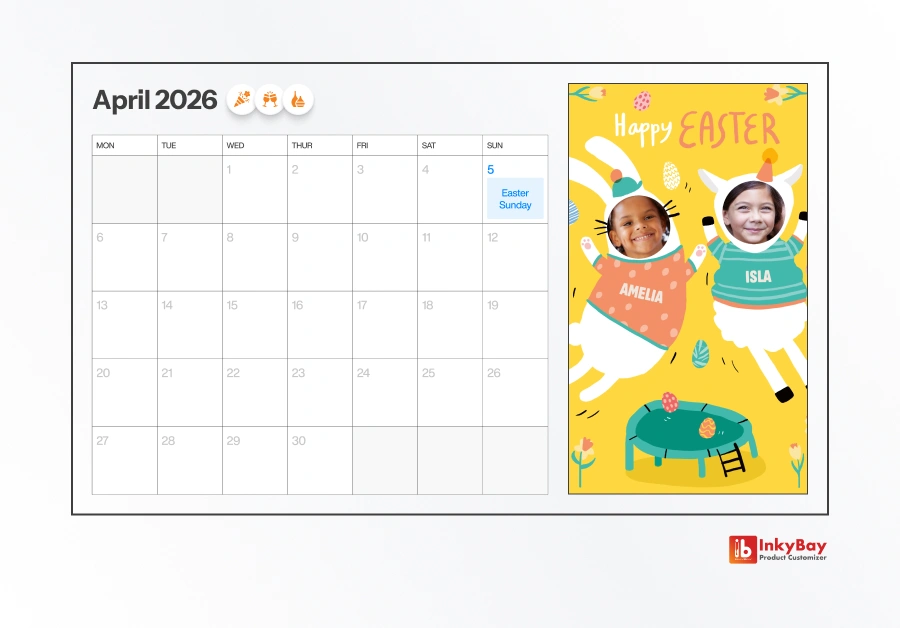
April, the month of new beginnings, celebrates the vibrant energy of spring and embraces nature’s warmth. Customers love outings, preparing seasonal festivities, and gatherings. For businesses, it’s the perfect time to run campaigns, highlighting eco-friendly choices and joyful celebrations.
- Easter Weekend preparation, April 5
Easter is the peak sales period for e-commerce businesses that blend family traditions & values with the excitement of spring’s arrival. In these traditions, online buyers are in a dual-focus mindset: shop for loved ones and for themselves. Parents are searching for an “Easter basket” & other accessories related to Easter celebrations for their children.
- Earth Day sale, April 22
The best sales opportunities for businesses that promote sustainable products. Buyers who value eco-friendly items love to purchase these products. Adding personalization, you can add personal values to every item you plan to sell.
Best-selling products:
- Food (chocolate bunnies, Easter egg candies, or pre-made gift baskets)
- Toys & crafts (stuffed toys and custom Easter egg painting kits)
- Fashion (floral dresses, pastel shirts, and other spring accessories)
- Home decor (easter gift wrap, custom ornaments, and table settings)
- Kitchen (grilling & baking tools, custom chopping boards, and frosting kits)
- Sustainable fashion (clothing & accessories made from organic or recycled materials)
April e-commerce seasonal & sales ideas:
- Promote flash sales & countdown deals (e.g., 48-hour Easter Sale “up to 25% Off Bundles”)
- Run Early Bird Sale campaigns through emails
- Prioritize high-margin bundles and personalized items
- Retarget cart abandoners with Easter-themed discounts
- Bundle eco-friendly products with high-margin items
May: Milestones & Appreciations
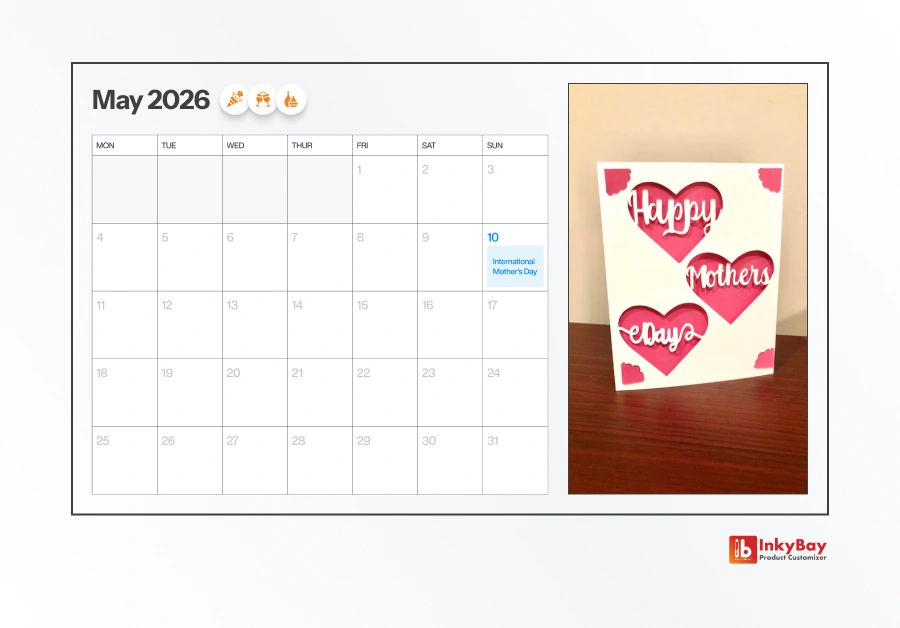
From thoughtful Mother’s Day gifts to Memorial Day gatherings and travel preparation, the month is popular for smaller campaigns to align with creativity, connection, and seasonal celebrations.
- Mother’s Day Sale, May 10
International Mother’s Day is the largest seasonal retail event to convey love, gratitude, and recognition. Unlike self-expression, like Q1 holidays, the buyer’s mindset is more focused on meaning and quality when choosing the Mother’s Day special products. In this season, potential buyers are actively searching for items that feel personal and unique rather than generic ones. So, the best solution is offering personalized products that carry a personal touch & values.
- Memorial Day Sale, May 25
A federal Memorial Day opens up a new shopping window, especially in the United States. The sales often start weeks before the holiday weekend and continue into the early June period. Major retailers consistently market Memorial Day deals online. For example, Amazon, Walmart, and Home Depot offer discounts across categories during this period.
Best products to sell:
- Jewelry: Necklaces, bracelets, watches, and personalized earrings.
- Health & Beauty: Skincare sets, spa kits, scented candles, and luxury bath products.
- Home Decor: Picture frames, plants, cozy blankets, and decorative pieces.
- Fashion: Handbags, scarves, and seasonal dresses.
- Food & Beverages: Chocolate boxes, wine, and tea sets.
- Patriotic merchandise items like t-shirts, caps, and BBQ accessories.
May e-commerce seasonal & sales ideas:
- Curate products by price or personality (e.g., “For the Wellness Mom,” “For the Tech-Savvy Mom”)
- Bundle products to increase average order value
- Use scarcity and urgency tactics for holiday-specific items
- Retarget cart abandoners with Mother’s Day offers
- Offer same-day delivery to capture last-minute shoppers’ attention
June: Fresh Starts & End of Financial Year Sales
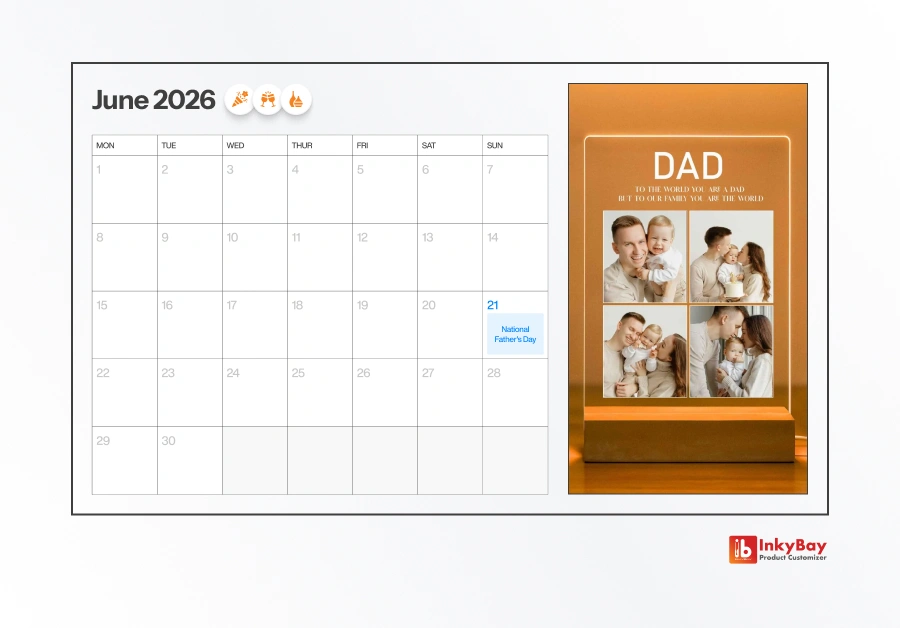
The month is recognized as the celebration of Father’s Day and Pride Month campaigns. If you plan to sell apparel or gadgets, plan earlier product photoshoots while the peak sales window opens.
- Pride Month, throughout June
Depending on the region, you explore rainbow flags and special events to celebrate and support the “LGBTQ+” community. This is an ideal time to focus on diversity and interactive campaigns to enhance your brand value.
- National Father’s Day, June 21
Father’s Day is a major sales opportunity for custom businesses. Buyers focus more on a meaningful, high-quality gift for their heroes that represents Dad’s personality. By offering personalized shopping experiences, you help customers navigate the pressure of finding the best Father’s Day gifts.
Best products to sell:
- Personalized gifts for fathers: Custom drinkware, grooming kits, gadgets, leather accessories, perfume, and more.
- Pride merch: Custom pride shirts, rainbow flags, pins, and phone cases.
- Summer gear: Sunglasses, hats, flip-flops, and custom beach bags.
June e-commerce seasonal & sales ideas:
- Promote personalization add-ons
- Use countdowns for Father’s Day & summer sales
- Run Father’s Day campaigns (3rd Sunday of June)
- Offer Buy More, Save More
Q3: July to September retail holidays & marketing ideas
July: End of Summer Sales
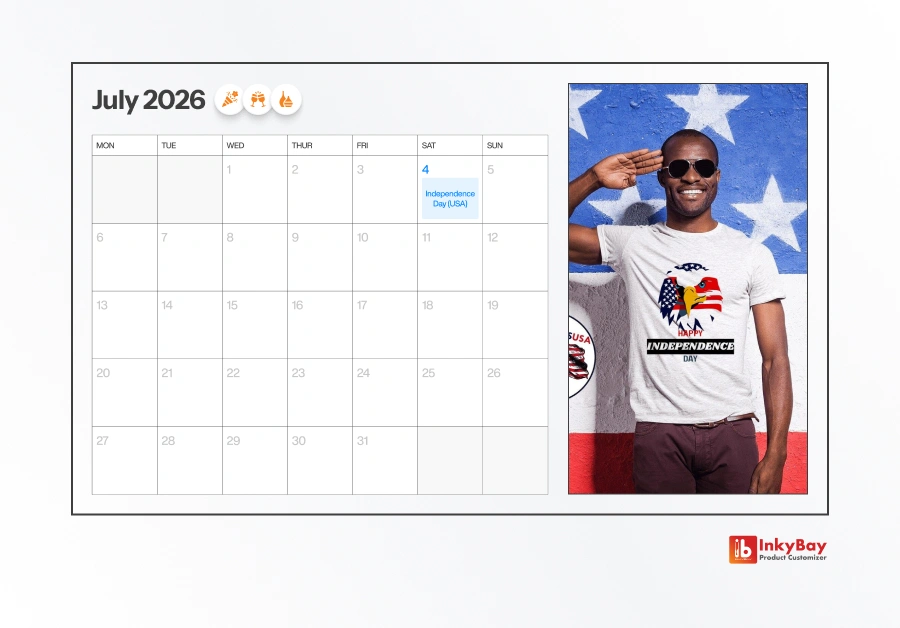
Plan your big campaigns around national pride and summer clearance sales. The July hype comes from marketplace-led events, such as Amazon Prime Day. Most July shoppers expect discounts, summer-focused sales, and a mid-year budget reset.
- Canada Day, July 1
Canadians celebrate the day with gatherings, parties, and outdoor activities. Canadian retailers focus more on this day to run Canada Day online promotions.
- Independence Day Sale (USA), July 4
Independence Day, customers spend parades, family cookouts, and fireworks, making it a prime shopping occasion. Also, they are looking for functional items to prepare large family gatherings and outdoor events.
- Prime Day Sale
Prime Day is one of the biggest retail sales days in 2026, and a massive wave of high-intent traffic loves to grab the deal. Customers want the deep discounts associated with mid-July sales and prefer brands that offer exclusive promotions or bundles.
Best products to sell:
- Outdoor & Patio: Grills, BBQ tools, outdoor furniture, and string lights.
- Fashion: Red, white, and blue apparel, patriotic accessories, and hats.
- Beauty & Skincare: Sunscreens, tanning oils, and beach bags.
- Electronics: Smart home devices, headphones, and tech accessories.
- Home Essentials: Kitchen appliances and small gadgets.
July e-commerce seasonal & sales ideas:
- Flash bundles for outdoor parties
- Event-specific campaign ideas
- Use retargeting for past buyers
- “End of Summer Clearance – Up to 50% Off”
August: Back-to-school Season Starts
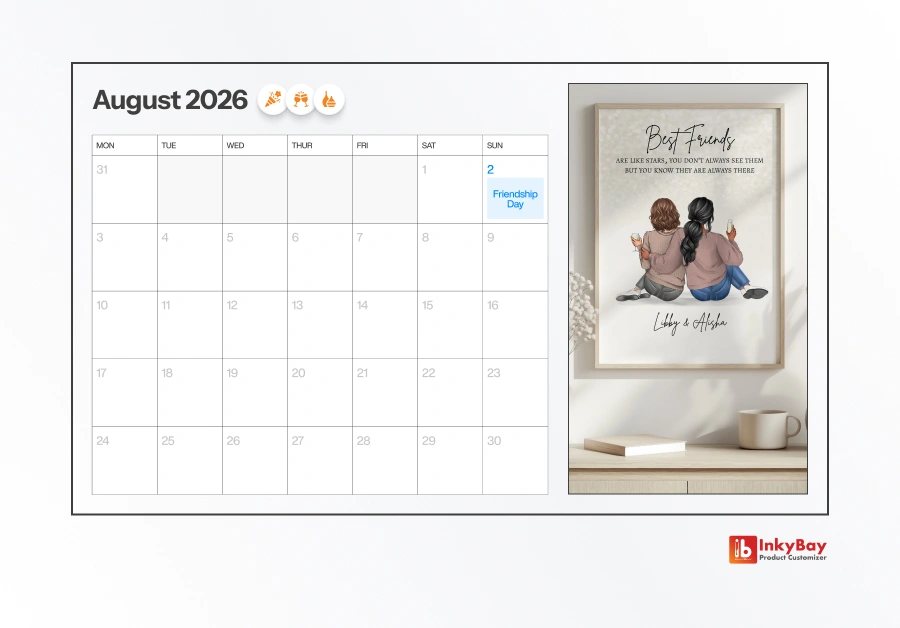
The month is the last major month before the Q4 holiday ramp-up. Consumers are ready for early school preparations: parents are looking for kids’ supplies, young adults focus on personal care and fashion.
- Friendship Day, Aug 3
Unlike summer vibes, this one-day event centers on peer validation and shared identity, “ buddy forever”. Shoppers want to buy items that represent their uniqueness towards their besties, making the friendship day gift a more symbolic gesture (e.g., name initials bracelets).
- Back to School Sale, Aug 15
For parents, teachers, and young adults, the Day is valuable for fresh starts and academic preparations. In this event, the spending was fueled by a mix of emotional connection and practical necessity.
Best products to sell:
- Fashion & Accessories: Matching bracelets, necklaces, and friendship-themed jewelry.
- Gift Sets: Personalized mugs, photo frames, and curated bundles for friends.
- School Supplies: Backpacks, notebooks, stationery, and lunch boxes.
- Apparel: School uniforms, casual clothing, and athletic shoes.
August e-commerce seasonal & sales ideas:
- Back-to-School Essentials Bundles
- Tiered discounts: “Buy 2 Items, Get 1 Free
- Limited-time clearance deals to free inventory before fall
- Use urgency messaging: “Summer’s Almost Over – Grab These Deals”
- Offer early bird discounts for fall collections
Q4: October to December retail holidays & sales ideas
October: Seasonal Fun & Repeat Sales
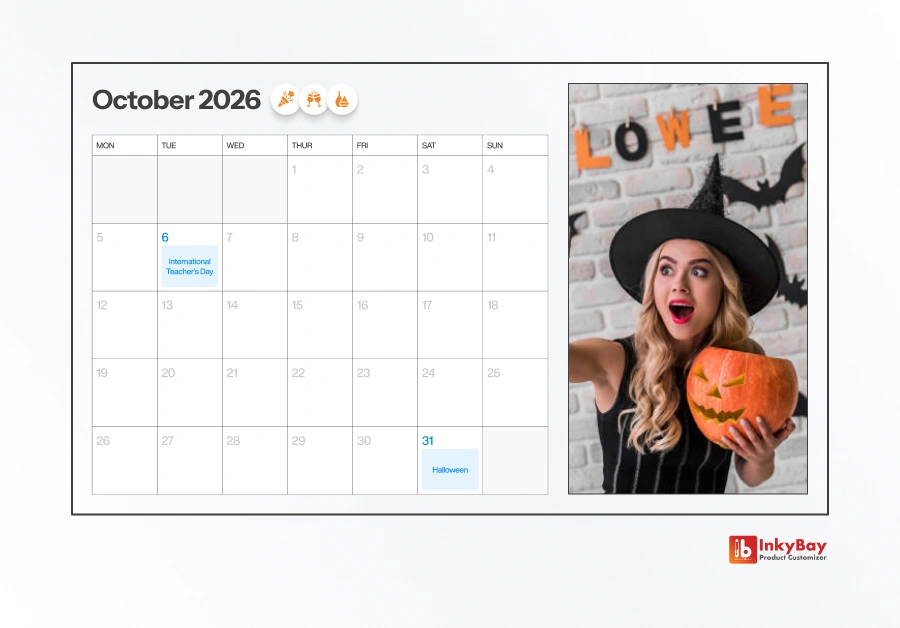
The month is all about the magic of fall, Halloween excitement, and the start of holiday planning. October is filled with cozy weather and festive vibes, and shoppers are in festive mode, questing for seasonal items.
- International Teacher’s Day, October 6
Many countries celebrate the day on October 5, but not all count this day as a major retail occasion. Some high-potential markets include the US, Canada, the UK, and Australia, with a strong teacher recognition culture.
- Halloween Sale, October 31
One of the high-engagement holidays is Halloween, when customers’ shopping diverts to festive and social performance. This holiday resonates with Millennials and Gen Z, who are interested in Halloween “Treat or Trick”, “spooky”, or other events. It is counted as the long promotional period (17 days) with two distinct buyer types: the early planners & the impulse buyers.
Best products to sell:
- Home Decor: Spooky lights, skeletons, and decorative pumpkins.
- Party Supplies: Themed plates, cups, napkins, and party kits.
- Beauty & Fashion: Halloween costumes, makeup, wigs, and accessories.
- Home Goods: Fall decor, kitchen gadgets, and cozy blankets.
- Food: Halloween-themed snacks, candy, and gift baskets.
October e-commerce seasonal & sales ideas:
- Halloween Flash Sale
- Social media contests: Best costume, pumpkin carving, or decor
- Promote pre-order for exclusive or limited-edition products
- Offer gift bundles to capture early buyers
November: High Sales Volume & Deals
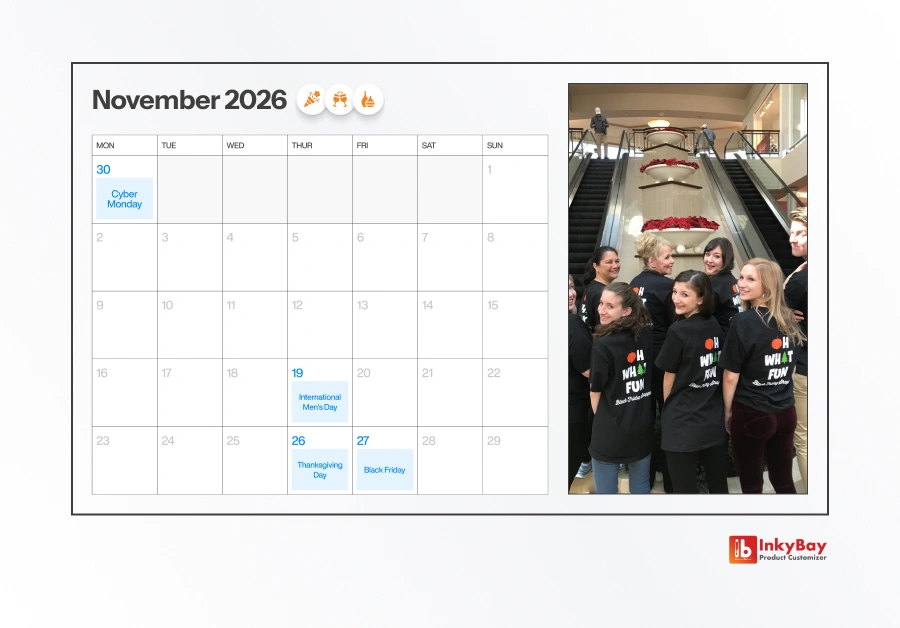
November marks the holiday hot shopping season, one of the busiest months for merchants: Thanksgiving, Black Friday, and Cyber Monday. It is a crucial period to drive traffic, boost conversions, and maximize annual revenue.
- International Men’s Day, Nov 19
Though it’s not a major global e-commerce sales event, unlike BFCMM, it has a growing niche with potential consumers if your store sells male-focused products. From tech & gadgets to health-conscious buyers, you get good returns with targeted marketing.
- Thanksgiving Day, Nov 26
Thanksgiving is a family-centered holiday with food, gatherings, and holiday preparation. Many shoppers plan gift buying around Thanksgiving, even before Black Friday. Online and in-store deals begin earlier, creating a full “Thanksgiving week” shopping window. It signals the start of the holiday shopping season.
- Black Friday, Nov 27
Black Friday, the biggest sale window of the year, and most popular brands offer aggressive discounts to grab the multi-billion-dollar business. Consumers enter this eight-day window; many shoppers wait for this event to make high-ticket purchases around the year. The buyers’ mindset is a blend of self-gifting, holiday planning, and more. This triggers intense shopping competition, where customers are highly motivated to secure limited stock for high-value goods.
- Cyber Monday, Nov 30
Cyber Monday provides a final surge of revenue through potential deals. This two-day event targets digital-first, convenience-driven shoppers, often focusing on smaller tech upgrades, home essentials, and so on. Retailers segment these customers by purchase history, product interest, and engagement to deliver tailored deals.
Best products to sell:
- Gift Bundles: Curated sets that are ready for holiday gifting.
- Home Essentials: Items needed for holiday hosting and family gatherings.
- Tech Accessories: Bluetooth speakers, gaming peripherals, and smart devices.
- Fashion: All categories of apparel, seasonal accessories, and footwear.
- Pet Products: High-value pet beds, grooming tools, and bulk pet food.
November e-commerce seasonal & sales ideas:
- Early bird access for VIP customers
- Flash sales every few hours to keep shoppers engaged
- Retarget cart abandoners with extra discounts
- Email campaigns highlighting “Cyber Monday Exclusive.”
- Personalized product recommendations
December: Year-end Sales & Gifting
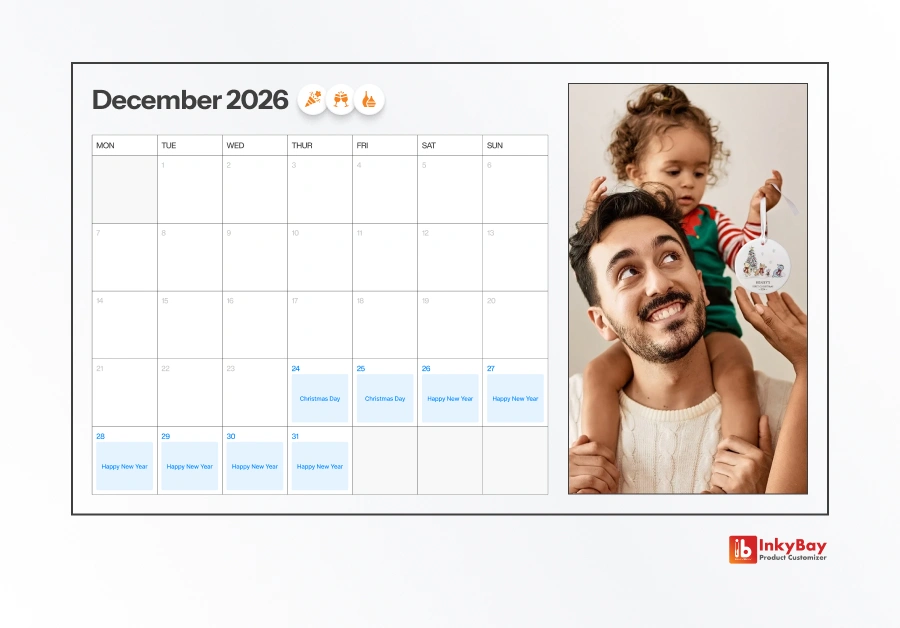
December marks the year-end sales, festive celebrations, and final resolutions. For e-commerce merchants, the month is a blend of holiday sales with high-impact strategic offers to maximize annual revenue. Shoppers are in a queue, actively hunting for last-minute holiday gifts, year-end bargains, and festive essentials.
- Christmas Day Sale, Dec 25
Christmas has a strong gift-giving culture across multiple regions. And consumers are actively searching for gifts weeks in advance (late November through December). Shoppers in December have very high intent; they are motivated to buy and complete transactions. Compared to months like July or September, Christmas shoppers are willing to spend more per order, increasing average order value (AOV).
- New Year’s Sale, Dec 31
The final days of the year counted as the End-of-Year clearance sale. Merchants use this time to plan a new inventory or product listings by clearing old stock. And for the consumers, this window is about securing a “victory” deal they might have missed during the earlier holiday rush. They are open for multiple-item purchasing.
Best products to sell:
- Electronics: Laptops, smartphones, and gaming consoles.
- Fashion: Seasonal apparel, shoes, and holiday accessories.
- Home Goods: Premium cookware, small appliances, and furniture.
- Beauty & Wellness: Cosmetics, skincare bundles, and wellness kits.
- Apparel: Winter clothing, holiday accessories, and last-season fashion.
December e-commerce seasonal & sales ideas:
- Post-purchase cross-sell: “Add a stocking stuffer.”
- Early December: Gift hunting starts
- Mid-December: Last-minute shoppers
- Post-Christmas: Clearance, returns, and New Year preparation
- Offer last-minute bundles or “grab-and-go” products
How to use this 2026 E-commerce Sales Calendar for better AOV?
A retail or e-commerce sales calendar works as your strategic roadmap for planning marketing, promotions, inventory, and operations around potential holidays and seasonal trends. Also, you can align budgets, map holidays, and big shopping moments to fulfill seasonal demand.
Here are key use cases that help you align your sales calendar to increase profitability:
- Map your key sales campaigns
Depending on your location and target audience, plan your promotions when demand already spikes. This could be Lunar New Year, Singles’ Day, Black Friday, Cyber Monday, or other days that move volume.
To map your key sales campaigns, follow the expert-suggested steps:
- Categorize major events into Q1 to Q4 on one timeline, including peak seasons to others.
- Add carrier cutoffs and holiday shipping deadlines so you can avoid order errors & manage fulfillment effectively.
- Create themed product packages (e.g., Back-to-School Essentials, or others) for specific seasons.
- Plan flash sales, gift guides, and urgency-driven offers for major holidays to drive impulse buys.
After planning your key events and deadlines, sketch your content windows:
- Two or three weeks before big dates, start testing creative ideas, building interactive product pages, and preparing social campaigns.
- Before launching, finalize your offers and set up discount codes.
- During the campaign, monitor engagement & conversion data to see which channels perform best.
- Plan your sales budget quarterly
Your marketing budget is crucial to maximizing profits and counting on customer spending. Here’s a simple framework you can follow to run campaigns without cutting extra pricing:
- Use your 2025 marketing data or research public sources like the Census Monthly Retail Trade reports.
- Allocate your marketing or sales budget by comparing quarterly achievements. [If Q4 drives you 65% of annual sales, budget this quarter roughly 50-60% of your yearly promo spend.]
- Plan a campaign earlier around a major holiday or event, and count the engagement and profits.
- Review your spending monthly & set aside a small “opportunity fund” to respond quickly to unexpected retail moments.
- Focus on managing inventory & fulfillment
A proper inventory management ensures great campaigns. Your holiday calendar helps you plan your stock needs, minimize costly overstocks, and fulfill delivery promises on time. So, to determine and manage inventory, follow these steps:
- Place supplier orders early
- Protect bestsellers
- Update delivery messaging regularly
- After each season, review your results
Effective Tools for E-commerce Sales Preparation to Maximize Sales
Some merchant-verified effective tools for e-commerce sales preparation to maximize sales in 2026 are as follows:
Overwhelmed? Don’t worry. Over the years, our team and other merchants have relied on a core set of tools to execute these plans smoothly. Here’s our curated shortlist:
| Category | Key Tools | Why you’ll love it |
| Marketing automation | Klaviyo, HubSpot, Zapier, etc. | Smarter, automated campaigns |
| Inventory management | Zoho Inventory, Inventory Planner, Prediko, Cin7, etc. | Forecast demand & reduce stock issues |
| Best customer support | Zendesk, LiveChat, Tidio, etc. | Faster support during peak demand |
| Best product personalization | InkyBay (for the Shopify platform) | Best product customization tool with live preview & tiered pricing |
| Popular e-commerce platforms | Shopify, WooCommerce, BigCommerce, etc. | Scalable storefronts |
| A/B testing & conversion rate optimization | OptiMonk, AB Tasty, etc. | Incremental revenue boosts |
| Email marketing & social media management | Mailchimp | Nurture customers & automate campaigns |
| Analytics & reporting tools | Google Analytics, Hotjar, etc. | Measure marketing ROI, track sales performance, and personalize customer experience |
| Social media management tools | Buffer, SocialBee, Later, etc. | Centralize multi-platform management, plan & schedule content ahead, analyze performance, and so on. |
| Shipping & logistics tools | ShipStation and Easyship | Ensure on-time delivery & meet customer expectations, automate repetitive processes, and so on. |
| Team productivity | Notion, Clariti | Better execution & planning |
Using specific tools for e-commerce sales preparation is essential, not optional, for maximizing sales in 2026. The e-commerce landscape is changing rapidly and becoming competitive. Ready to fulfill consumers’ ever-changing needs, manage operations, and optimize sales strategies? Utilize the tools that we’ve listed above. If you have other & effective e-commerce tools in your listings, feel free to share with us.
Final Verdict
A quick word of advice before you dive in, you don’t need to go for every single date on this list. Pick the 5-7 holidays that perfectly align with your brand and audience. Focus your energy there.
To make it even easier for you, we’ve created a downloadable version of the calendar that you can reference throughout the year. This handy resource is packed with key dates, sale campaign durations, and even discount code suggestions.
FAQ’s: Ecommerce Sales Calendar
What is the best promotional strategy for the Christmas season?
The most effective promotional strategy for the Christmas season involves creating a holiday-themed campaign featuring gift ideas, targeted email marketing, and social media promotions that cater to last-minute shoppers.
Why does my Shopify store need an e-commerce holiday calendar?
Your Shopify store needs an e-commerce holiday calendar to strategically plan promotions, manage inventory, and schedule marketing campaigns around peak shopping days.
Which holidays are most important for my target market?
The most important holidays for your target market depend on your potential consumer demographics, interests, regional holidays, and lifestyle. However, common examples include Christmas, Black Friday, Cyber Monday, New Year’s, and others.
When should I start planning my e-commerce holiday promotions?
You should start planning your e-commerce holiday promotions in July and August to ensure all operational and marketing aspects are ready for the peak season. However, it might vary depending on individual e-commerce sales promotions.
What e-commerce holiday has the most online sales?
Black Friday and Cyber Monday (BFCM) generate the highest e-commerce holiday online sales of the year.
Discounting vs bundling: what works better in 2026?
In 2026, strategic bundling works better than simple discounting. Bundling increases perceived value and average order value (AOV).